
 Business License

Grinding Balls for Copper Mining: Challenges, Solutions, and Real-World Results
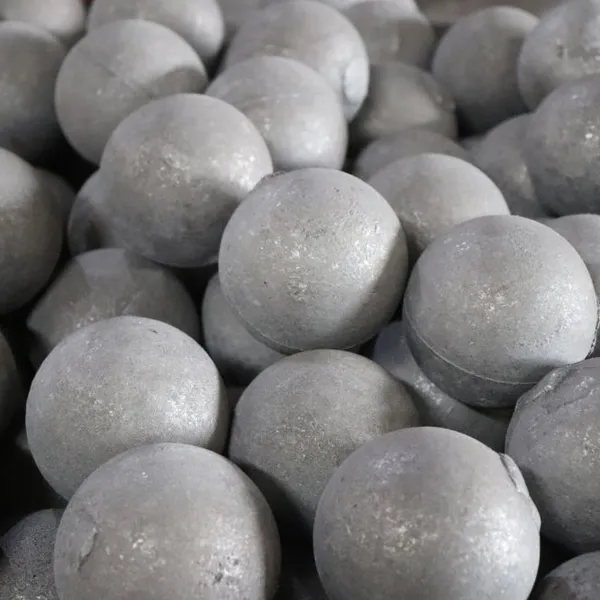
A large copper concentrator in South America was burning through grinding media at a rate that made the plant manager lose sleep. Monthly consumption had climbed to roughly 1.4 kg per ton of ore — nearly 40% above the budgeted figure — and nobody could pin down the cause. The ore hardness readings had not changed, the mill liners were in good condition, and the operators swore the charge level was being maintained correctly. The problem turned out to be the grinding balls themselves: the chromium grade was simply too low for the combination of abrasive chalcopyrite ore and the mildly acidic slurry conditions inside that particular circuit.
Copper mining presents a unique set of demands for grinding media. The ore types vary widely, flotation chemistry interacts with ball wear in ways that are easy to overlook, and the scale of modern copper operations means that small differences in grinding efficiency compound into enormous cost variances. Getting the grinding balls right is not just a maintenance decision — it is one of the highest-leverage procurement choices a copper mine can make.
This article examines what makes copper ore grinding different, which grinding ball specifications perform best in copper concentrators, and how to translate laboratory and trial data into better purchasing decisions for your operation.
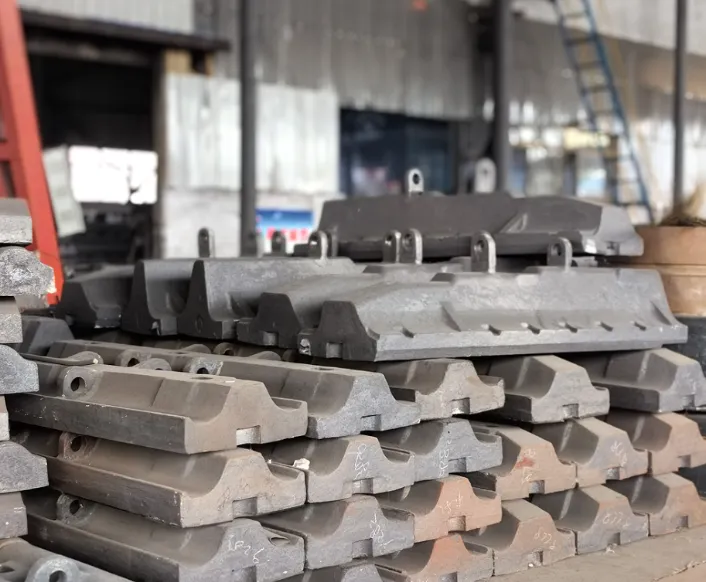
1. Copper Ore Characteristics That Shape Grinding Media Demand
Copper ores span a wide hardness spectrum. Porphyry copper deposits — the world's dominant source — typically have Bond Work Index values ranging from roughly 12 to 18 kWh/t, placing them in the medium-hard category. However, skarn-hosted copper deposits and those with high silica gangue can push well above 20 kWh/t, demanding grinding media with significantly higher wear resistance.
Abrasion is not the only factor. Many copper ores contain pyrite (FeS₂) and other sulfide minerals that, when exposed to water and oxygen inside the mill, generate acidic conditions. The slurry pH in copper grinding circuits often drifts into the 6–8 range, and in some cases even lower. This creates a corrosion-abrasion synergy: the acidic environment attacks the ball surface, weakening it, while the mechanical grinding action continuously strips away the corroded layer, exposing fresh metal underneath.
The result is wear rates that can be 20%–50% higher than what pure abrasion models predict. This is why grinding media specifications that work perfectly well in cement plants or coal mills often fail prematurely in copper concentrators.
2. Why Standard Grinding Balls Fall Short in Copper Circuits
The most common failure mode in copper grinding is not catastrophic breakage — it is accelerated surface wear driven by the corrosion-abrasion combination. Low chrome cast grinding balls (Cr 1%–3%) rely primarily on an iron carbide (Fe₃C) network for wear resistance. In neutral or alkaline slurries, this can be adequate. In the mildly acidic conditions typical of copper circuits, the iron carbide network corrodes selectively along grain boundaries, creating micro-pits that amplify mechanical wear.
Forged steel balls offer better toughness but face a similar problem. Without enough chromium to form corrosion-resistant M₇C₃ carbides, the steel surface oxidizes in the slurry, and the oxide layer is continuously scrubbed away by the grinding action. The net effect is a consumption rate that creeps upward month after month, even when the ore feed appears unchanged.
Ningguo Huafeng Wear-resistant Materials Co., Ltd. has observed this pattern across multiple copper mine customers. In one instance, a mine that switched from low chrome (Cr 2%) to high chrome (Cr 18%) grinding balls saw its consumption rate drop by roughly 28% within the first three months — not because the ore changed, but because the higher chromium content finally addressed the corrosion component that had been silently inflating the wear rate all along.
3. The Case for High Chrome Cast Grinding Balls in Copper
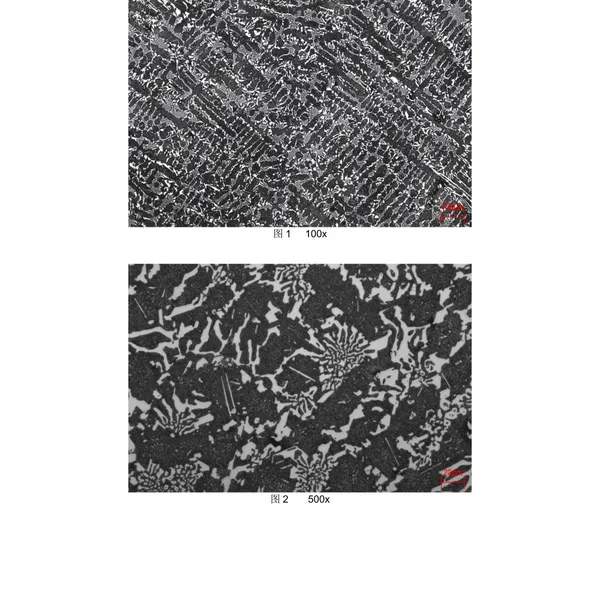
High chrome cast grinding balls — typically in the Cr 10%–30% range — address both the abrasion and corrosion challenges simultaneously. The key is the microstructure: a martensitic matrix reinforced with discrete, hard M₇C₃ chromium carbides. These carbides are roughly 1,200–1,600 HV in hardness, far harder than the iron carbides in low chrome balls, and their electrochemical potential makes them resistant to the acidic attack that plagues lower-chromium media.
The table below compares wear performance across chromium grades in a typical copper porphyry grinding application:
| Grinding Ball Type | Cr Content | Typical HRC | Relative Wear Rate | Cost per Ton Ground |
|---|---|---|---|---|
| Low Chrome Cast | 1%–3% | 45–55 | 1.0 (baseline) | Low upfront, high consumption |
| Medium Chrome Cast | 8%–12% | 55–62 | 0.70–0.80 × baseline | Balanced |
| High Chrome Cast | 15%–22% | 58–65 | 0.55–0.65 × baseline | Optimized for Cu circuits |
| Ultra-High Chrome Cast | 25%–36% | 60–68 | 0.45–0.55 × baseline | For severe conditions only |
The sweet spot for most copper operations falls in the high chrome (Cr 15%–22%) range. Going higher — into the ultra-high chrome territory above Cr 25% — brings diminishing returns unless the ore is exceptionally abrasive or the slurry chemistry is unusually aggressive. The premium in raw material cost for ultra-high chrome grades can push the payback period beyond what most copper mines consider acceptable.
4. Operating Parameters That Influence Ball Wear in Copper Mills
Mill speed, ball charge level, and slurry density all interact with grinding ball wear in measurable ways. Running a ball mill above roughly 78% of critical speed increases the proportion of high-energy cataracting impacts, which accelerates surface spalling on lower-quality balls. Maintaining the ball charge at 35%–40% of mill volume provides the best balance between throughput and media consumption for most copper grinding circuits.
Slurry density is often overlooked as a wear factor. In copper concentrators, the typical operating range is 65%–75% solids by weight. At the higher end, the slurry becomes viscous enough to cushion ball-on-ball impacts, which reduces impact-related wear.
But higher density also slows grinding kinetics, forcing longer mill runtime to achieve the target grind size — which increases total media consumption per ton. Most operators settle on roughly 70% solids as a practical compromise.
Water chemistry matters too. Copper concentrators that use seawater or brackish water for process needs — common in Chilean operations — face higher chloride levels that accelerate corrosion. In these environments, grinding balls with chromium content at the upper end of the high chrome range (Cr 20%–30%) tend to outperform lower-chrome grades by a wider margin than they would in freshwater circuits.
5. Matching Grinding Ball Size to Copper Ore Feed
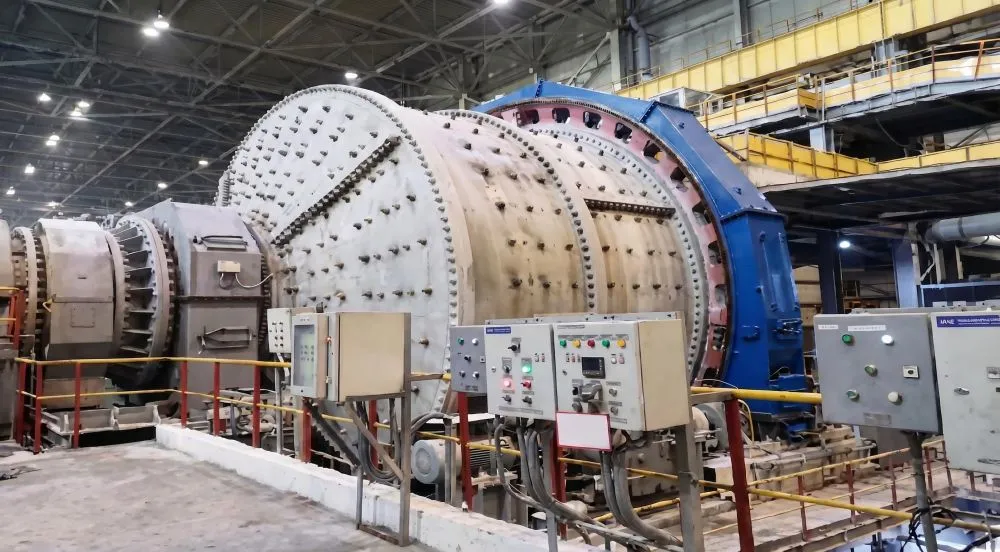
Ball size selection for copper grinding follows the same principles as for any ore, but the scale of copper operations adds a layer of practical complexity. Most copper concentrators run SAG mills as the primary grinding stage, followed by ball mills for secondary and sometimes tertiary grinding.
In the SAG mill, balls in the 100–150 mm diameter range handle the coarse, freshly crushed ore. In the secondary ball mill, the charge shifts to 40–80 mm balls for finer grinding. Regrind circuits targeting liberation sizes below roughly 75 microns often use 20–40 mm balls or even smaller media in stirred mills.
| Mill Stage | Feed Size (F80) | Product Size (P80) | Recommended Ball Size |
|---|---|---|---|
| SAG Mill | 100–200 mm | 2–10 mm | 100–150 mm |
| Primary Ball Mill | 2–10 mm | 150–300 μm | 60–90 mm |
| Secondary Ball Mill | 150–300 μm | 45–75 μm | 40–60 mm |
| Regrind Mill | 45–75 μm | 15–38 μm | 20–40 mm |
Huafeng Wear-resistant Materials supplies grinding balls across this entire size range for copper operations, from 150 mm SAG mill balls down to small-diameter media for regrind circuits. Sourcing all sizes from a single manufacturer simplifies quality tracking and ensures consistent chemistry across the entire grinding circuit.
6. How Grinding Ball Quality Affects Copper Recovery
The connection between grinding media and copper recovery is indirect but real. Poor-quality balls that break or wear unevenly create two problems for the downstream flotation circuit. First, broken ball fragments can damage pump impellers and block cyclone apexes, causing unplanned shutdowns that disrupt the entire concentrator. Second — and less obviously — the iron released from corroding ball surfaces consumes flotation reagents, particularly collectors and frothers, reducing their availability for actual copper mineral recovery.
A study of several copper operations found that iron contamination from grinding media can account for roughly 2%–5% of reagent consumption in the rougher flotation stage. In a large concentrator processing 100,000 tons per day, this translates to tens of thousands of dollars in additional reagent costs annually — on top of the direct cost of the grinding balls themselves.
Not long ago, a copper-gold operation in Southeast Asia tracked its flotation reagent consumption before and after changing grinding ball suppliers. The mine had been using medium chrome cast balls (Cr 10%) from a local foundry and noticed that rougher collector consumption had been drifting upward by roughly 3%–4% year over year. After switching to a higher-quality high chrome ball (Cr 18%) with tighter chemistry control, collector consumption stabilized within two months. The plant metallurgist estimated that the improved grinding media quality alone was responsible for roughly $80,000 in annual reagent savings.
7. Evaluating Grinding Ball Performance in Copper Mills
Measuring grinding ball performance in a copper operation requires more than just tracking tons consumed. The three metrics that matter most are consumption rate (kg of balls per ton of ore), product size distribution stability, and the frequency of ball-related downtime events.
Consumption rate is the headline number, but it must be normalized for ore hardness. If the Bond Work Index of the ore feed varies by ±15% week to week — which is common in large open-pit copper mines — the consumption rate will vary too, and attributing the change to the grinding balls alone is misleading. The best practice is to track consumption against a moving average of ore hardness, using the mill's power draw and throughput data as proxies when direct hardness measurements are not available.
Product size stability is harder to quantify but equally important. Grinding balls that wear predictably produce a consistent size distribution. Balls that spall or develop flat spots create irregular grinding surfaces that widen the product size distribution, sending more oversize material back to the mill in closed circuit and reducing overall throughput. A well-run copper concentrator should see a circulating load ratio that stays within ±5% of the target week over week.
8. Supply Chain Considerations for Copper Mining Operations
Copper mines are often in remote locations — high in the Andes, deep in the African Copperbelt, or scattered across the Australian outback. This makes grinding ball supply chain reliability at least as important as product quality. A mill that runs out of grinding balls cannot process ore, and the cost of lost production dwarfs any savings from choosing a cheaper supplier.
Most large copper operations maintain an on-site inventory of 30–60 days of grinding media, with reorder triggers set at 20–30 days of remaining stock. The lead time from order to delivery can range from 4 weeks for nearby suppliers to 12 weeks or more for overseas shipments, depending on port congestion and shipping schedules. Mines that source from foundries with multiple production lines — such as Huafeng's facilities in Ningguo — benefit from greater production flexibility, because rush orders can be absorbed without disrupting the supplier's regular production schedule.
9. When to Upgrade Your Copper Mill Grinding Balls
Three signals suggest it is time to reevaluate your grinding ball specification. The first is a consumption rate that exceeds roughly 1.0 kg per ton of ore in a copper porphyry application — this is the threshold where upgrading from low or medium chrome to high chrome typically delivers a payback within 12 months.
The second signal is an increase in unplanned downtime related to grinding media — broken balls clogging grates, pump failures from ball fragment damage, or screen deck blockages. Even one extra unplanned shutdown per quarter can erase the cost advantage of cheaper grinding media.
The third signal is harder to detect but often the most expensive: a gradual decline in copper recovery that cannot be explained by ore grade changes. If your flotation plant is consuming more reagents than expected and the grinding circuit product size looks normal, the culprit may be excessive iron contamination from corroding grinding balls. Running a trial with higher-chrome media for 60–90 days and tracking reagent consumption alongside recovery rates is the most reliable way to diagnose this problem.
10. Frequently Asked Questions
10.1 What chromium level is best for copper ore grinding?
For most copper porphyry ores, a chromium content of 15%–22% in cast grinding balls provides the best balance of wear resistance, corrosion protection, and cost. This range generates enough M₇C₃ carbides to resist both the abrasive nature of copper ore and the mildly acidic slurry conditions common in copper flotation circuits. Ores with exceptionally high pyrite content or circuits using seawater may benefit from pushing into the Cr 20%–30% range. Low chrome balls (Cr 1%–3%) are generally not recommended for copper applications except in the mildest grinding conditions.
10.2 Can I use forged steel balls in a copper grinding circuit?
Forged steel grinding balls can work in copper circuits, particularly in SAG mills where high impact loads demand toughness over abrasion resistance. However, forged balls typically contain less than 1% chromium, which means they offer limited corrosion protection in the acidic slurry conditions common in copper processing. In ball mills — where abrasion and corrosion dominate over impact — high chrome cast balls usually deliver lower total cost per ton of ore ground. Some operations blend forged balls in the SAG mill with high chrome cast balls in the downstream ball mills to optimize the overall circuit performance.
10.3 How much can switching to high chrome balls save in a copper mine?
The savings depend on current consumption rates, ore conditions, and the specific chrome grade selected. In a typical copper porphyry operation consuming roughly 1.0 kg of grinding media per ton of ore at a throughput of 50,000 tons per day, switching from medium chrome (Cr 10%) to high chrome (Cr 18%) can reduce consumption by roughly 20%–30%. At a ball cost of roughly $1,000–$1,500 per ton, the annual savings can reach $150,000–$300,000 before accounting for the indirect benefits of fewer mill stoppages and more stable flotation reagent consumption. Most copper mines recover the premium paid for higher-chrome balls within 6–12 months.
10.4 Does grinding ball chemistry affect copper concentrate grade?
Indirectly, yes. Grinding balls that corrode excessively release iron into the slurry. This iron reports to the flotation circuit, where it can activate unintended mineral surfaces, consume reagents, and in some cases report to the copper concentrate as dilution — lowering the final concentrate grade.
High chrome grinding balls minimize this iron release through better corrosion resistance. While the effect on concentrate grade is typically small (fractions of a percent), in operations shipping concentrate to smelters with strict grade penalties, even small improvements can translate into meaningful revenue gains.
Recently Posted
-
Ningguo Huafeng at a Glance: 80,000 Tons of Grinding Media from China's Casting Capital
August 14, 2026In the global grinding media market, where buyers sort through dozens of supplier options, a few factors consistently separate rel Read More
 -
How to Select a Grinding Ball Supplier: 8 Factors Beyond Price
August 13, 2026A procurement manager at a mid-sized mining company once told us about the grinding ball order that nearly shut down his operation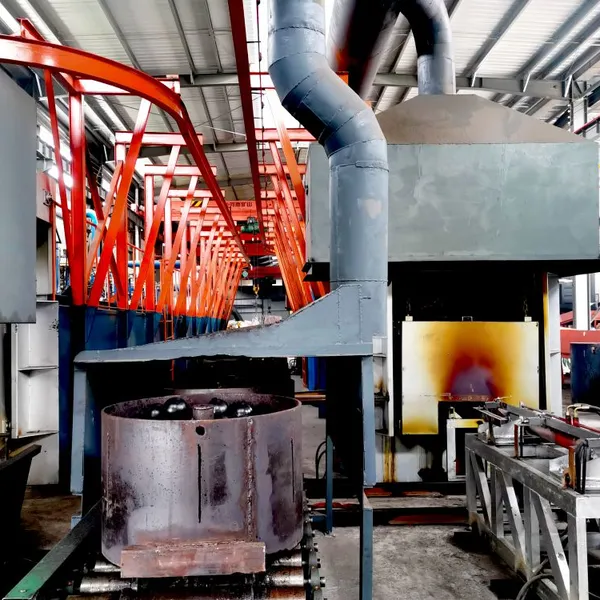 Read More
 -
Forged vs. Cast Grinding Balls: A Practical Comparison for Mining Operations
August 11, 2026An iron ore mine in Australia had been running forged steel grinding balls in its SAG mill for years without questioning the choic Read More
 -
Cast Grinding Balls Explained: What They Are and Why They Matter in Mineral Processing
August 10, 2026A copper mine in South America watched its grinding circuit spiral into chaos. Ball consumption had crept from roughly 0.8 kg per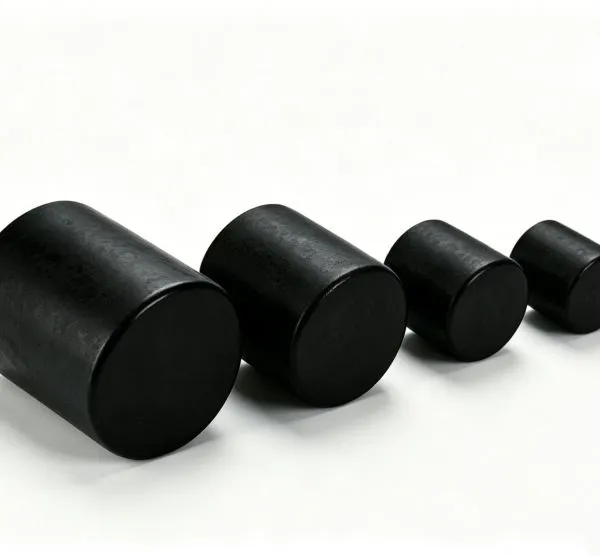 Read More

Contact Us
Recommended Products
-
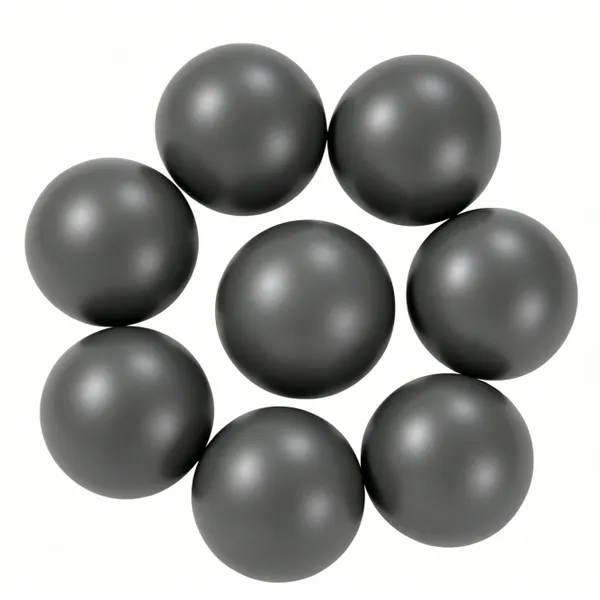
 Chromium Alloy Cast Grinding Balls Cr 1%-30% High Hardness Low Breakage For Mining Ball Mill Cement PlantUS$ 600 - 2000MOQ: 27 Metric Tons
 -
High Silicon Chrome Alloy Cast Grinding Balls Cr 8%-12% High Hardness 62HRC Low Breakage Excellent Wear Resistance For Mining Cement Ball MillUS$ 1000 - 1500MOQ: 27 Metric Tons
-
Wear Resistant Steel Castings Customized Parts For Mining Cement Plant Ball Mill Hammer CrusherNegotiableMOQ: 1 Metric Ton
-
Forged Steel Grinding Balls HRC55-65 Low Breakage High Impact Toughness For Mining Cement Ball Mill SAG MillUS$ 600 - 1200MOQ: 27 Metric Tons
-
CADI Grinding Balls – Advanced Austempered Ductile Iron for SAG Mills, Work Hardening 60-63HRC, 8-25J/cm² Impact, 5%-10% Energy SavingUS$ 900 - 1500MOQ: 27 Metric Tons
-
Bimetal Mill Liner High Chrome + Carbon Steel Composite High Hardness HRC58-63 2-3x Service Life For Ball Mill SAG Mill MiningUS$ 1800 - 5000MOQ: 1 Metric Ton
-
Crusher Hammer Head High Manganese Steel / CADI / High Chrome Alloy For Hammer Crusher Mining CementNegotiableMOQ: 1 Metric Ton
-
Chromium Alloy Cast Cylpebs Cr 1%-15% High Hardness Low Breakage For Mining Cement Fine GrindingUS$ 600 - 1200MOQ: 27 Metric Tons
-
Chromium-Molybdenum Alloy Steel Mill Liner Medium/Low Cr-Mo High Wear Resistance High Impact For SAG Mill Ball Mill Mining CementUS$ 1000 - 1800MOQ: 1 Metric Ton
-
High Manganese Steel Mill Liner Mn13Cr2 High Impact Toughness Work Hardening For Ball Mill SAG Mill Mining CementUS$ 1200 - 1500MOQ: 1 Metric Ton
-
Chromium Alloy Cast Grinding Balls Cr 1%-3% Hardness ≥45HRC Economical General Purpose For Small Medium Ball MillsUS$ 600 - 2000MOQ: 27 Metric Tons
-
Austempered Ductile Iron Mill Liner High Hardness High Toughness For Ball Mill SAG Mill Long Service LifeNegotiableMOQ: 1 Metric Ton
-
Ultra-High Hardness High Carbon Cr-Mo Alloy Grinding Balls HRC60-68 Extreme Abrasion Resistance For Hardest Ore SAG MillsUS$ 1000 - 2000MOQ: 27 Metric Tons
-
Extra High Chrome Cast Iron Grinding Balls Cr 20%-30% HRC62-65 Extreme Wear Resistance For SAG Mills Heavy MiningUS$ 1000 - 1800MOQ: 27 Metric Tons
-
Low Chrome White Cast Iron Grinding Cylpebs Cr 1%-3% 45-55HRC High Toughness Low Cost For Cement Coal MillsUS$ 500 - 1200MOQ: 27 Metric Tons
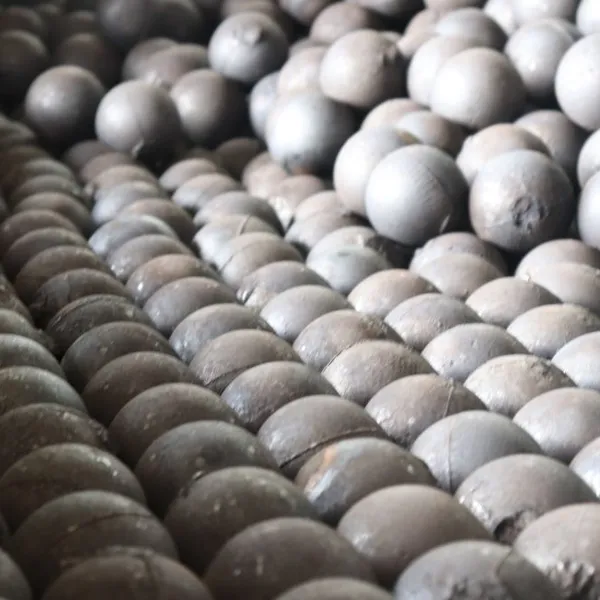
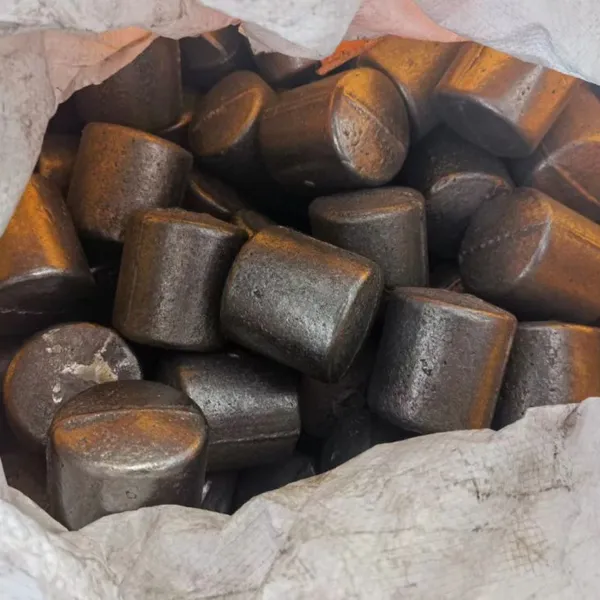
-
ADI/CADI Austempered Ductile Iron Grinding Balls Work Hardening 60-63HRC 5-10% Energy Saving For SAG MillsUS$ 500 - 1200MOQ: 27 Metric Tons
-
Low Chrome Cast Grinding Balls Cr 1%-3% HRC45-55 Cost Effective For Cement Mills Coal Mills Soft OreUS$ 500 - 1000MOQ: 27 Metric Tons
-
Custom Size Cast Grinding Balls Any Diameter φ4.8-150mm Any Cr% 1%-30% Tailored Hardness For Unique Mill ConditionsUS$ 600 - 2000MOQ: 27 Metric Tons
-
High Chrome Cast Grinding Balls Cr 10%-30% Ultra Hardness 58-65HRC Extremely Low Breakage For Hard Rock MiningUS$ 600 - 2000MOQ: 27 Metric Tons
-
Forged Steel Grinding Balls HRC55-65 Low Breakage High Impact Toughness For SAG Mill Ball Mill MiningUS$ 600 - 2000MOQ: 34 Metric Tons