
 Business License

Cast Grinding Balls Explained: What They Are and Why They Matter in Mineral Processing
A copper mine in South America watched its grinding circuit spiral into chaos. Ball consumption had crept from roughly 0.8 kg per ton of ore to nearly 1.4 kg over six months, and nobody on site could figure out why. The mill operators kept blaming the ore hardness, but the truth was simpler and far more costly: they had been running the wrong type of grinding media for their specific ore conditions. The annual replacement cost overshot the budget by an estimated $320,000 before someone finally traced the problem back to the grinding balls themselves.
This kind of scenario plays out more often than most procurement managers would like to admit. Grinding media selection feels like a background decision until the monthly consumption report lands on the desk and the numbers start shouting. The good news is that understanding cast grinding balls does not require a metallurgy degree. It requires knowing what they are, how they work, and which specifications actually matter for your operation.
This article walks through the fundamentals of cast grinding balls — from what they are and how they are made to how alloy composition, hardness, and size influence performance in real mineral processing environments. Whether you are replacing worn media or building a grinding circuit from scratch, the principles here will help you make informed decisions.
1. What Are Cast Grinding Balls?
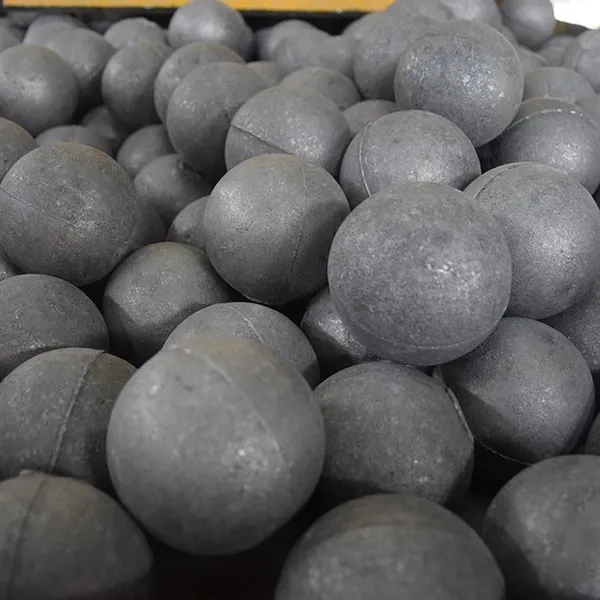
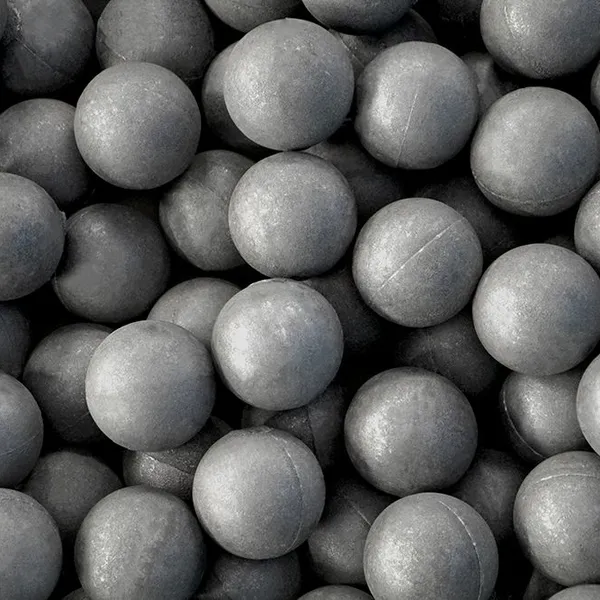
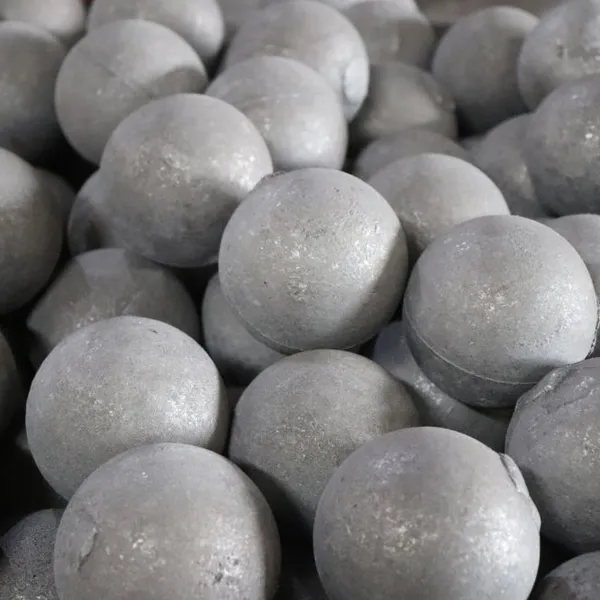
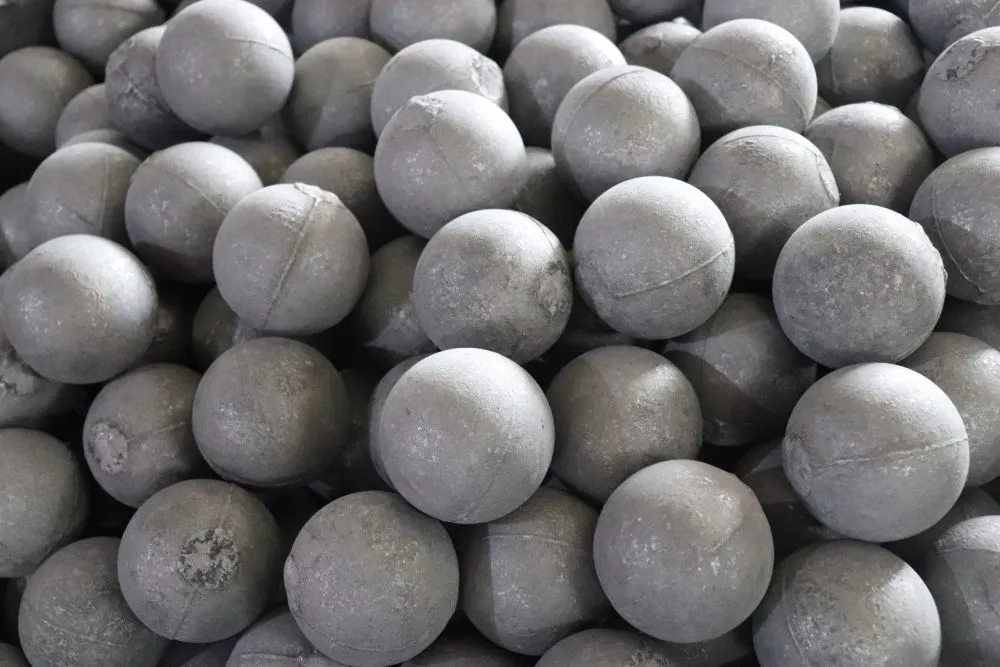
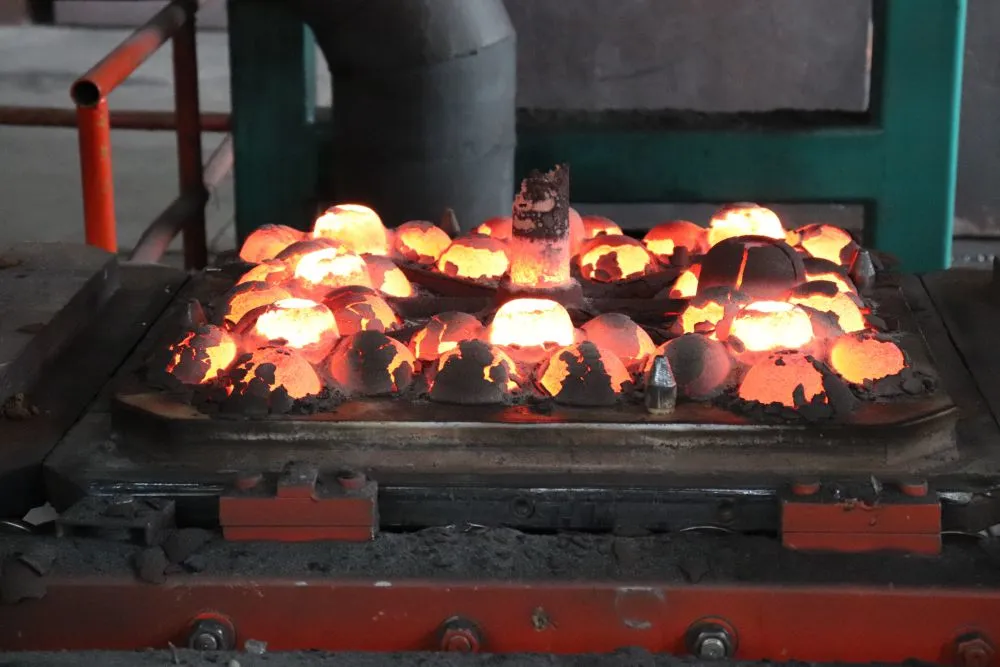
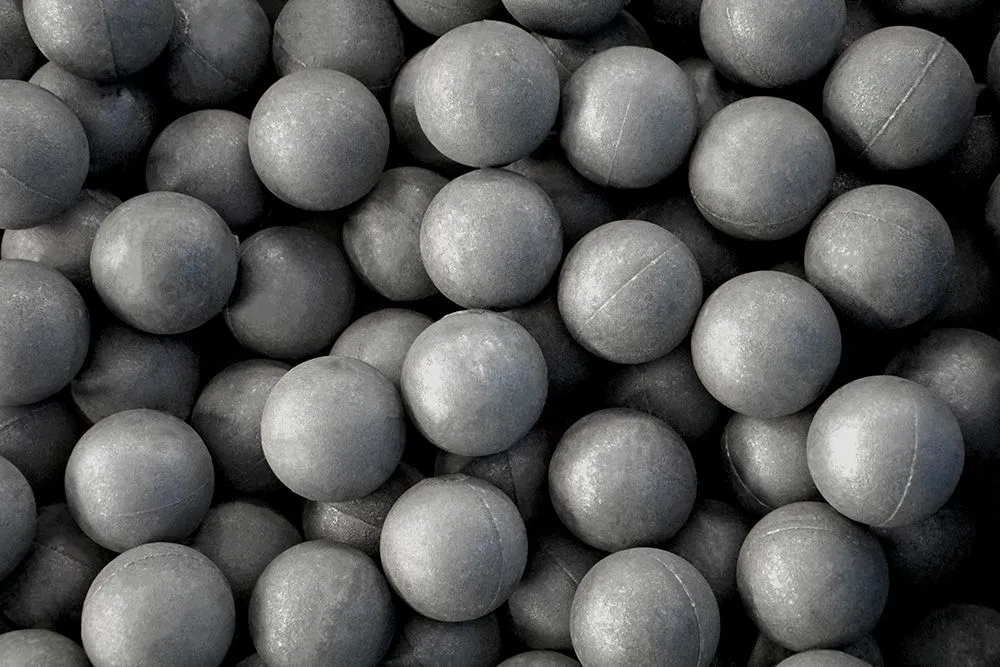
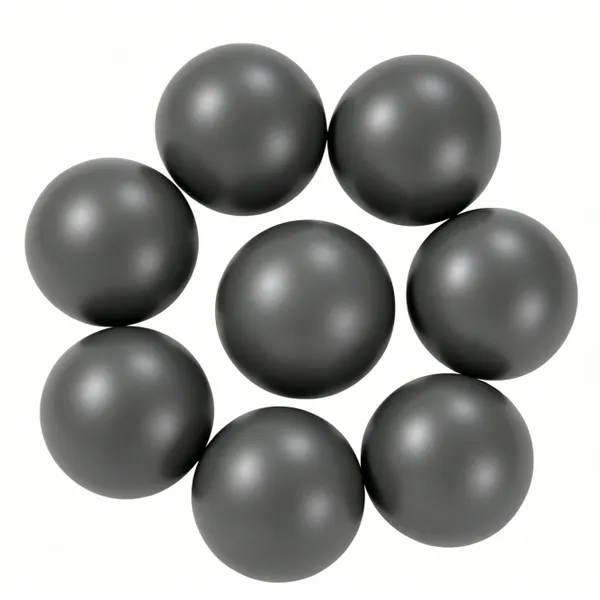
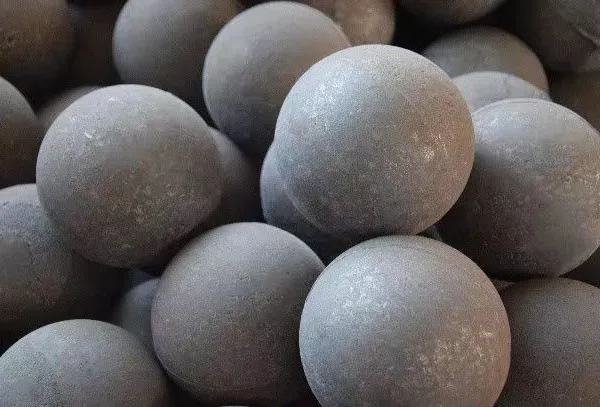
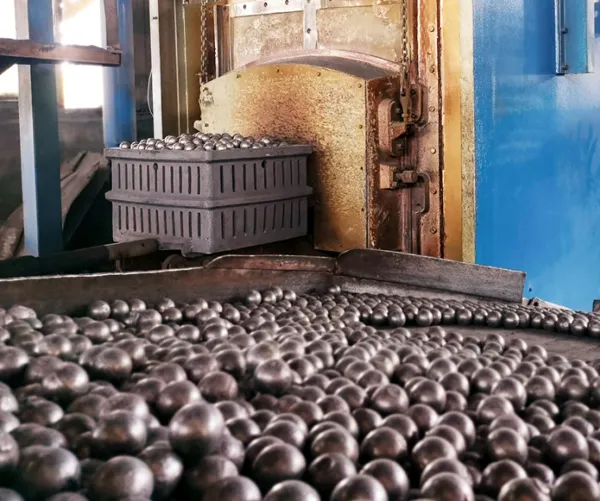
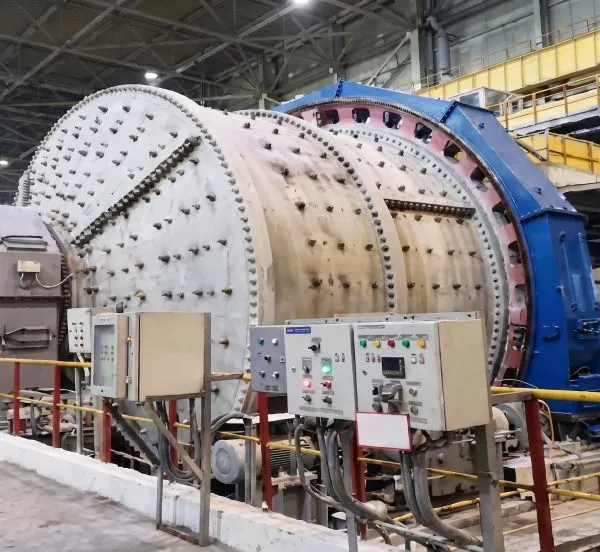
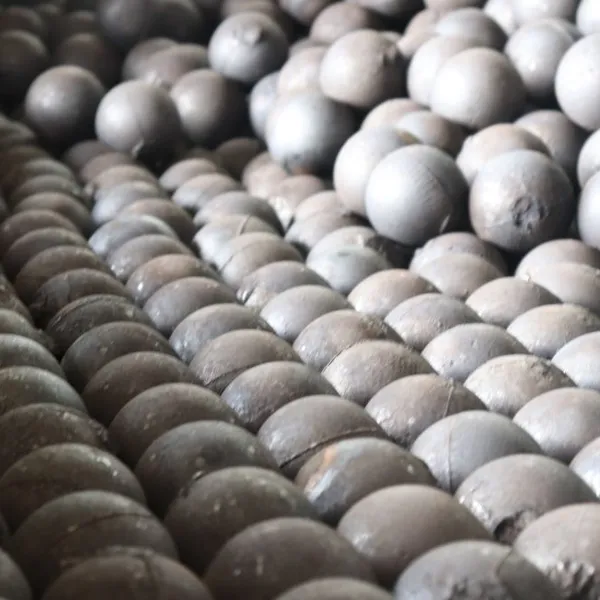
Cast grinding balls are spherical grinding media produced by pouring molten metal into molds. They sit inside rotating mills — ball mills, SAG mills, and similar equipment — where they tumble, cascade, and impact against ore particles to break them down into finer sizes. The grinding action combines three mechanisms: impact from falling balls, abrasion from balls sliding against ore and each other, and attrition from the constant churning motion inside the mill.
These balls are not the same as forged steel grinding balls, though both serve the same broad purpose. The difference lies in how they are made and what that means for their internal structure. Cast balls are poured as liquid metal and solidify in place, which gives manufacturers precise control over the chemical composition. This is why cast grinding balls can cover an enormous range of chromium levels — from roughly 1% all the way up to 36% Cr — allowing mills to match the media to the specific abrasiveness and corrosiveness of their ore.
Companies like Ningguo Huafeng Wear-resistant Materials Co., Ltd. produce cast grinding balls across this entire chromium spectrum, which means a single supplier can cover everything from low-cost general-purpose balls to ultra-high-chrome media for the most demanding hard-rock applications.
2. How Cast Grinding Balls Are Manufactured
The manufacturing process starts with melting. Scrap steel, ferrochrome, ferromanganese, ferromolybdenum, and other alloying materials are loaded into electric arc or induction furnaces and heated to roughly 1,500–1,600°C. The precise temperature and holding time depend on the target chromium content and the specific alloy recipe.
Once the melt reaches the right chemistry and temperature, it is poured into molds. These molds are typically arranged in clusters on a casting line — anywhere from a dozen to several hundred balls per pour, depending on the ball diameter and the foundry's setup. The molds may be made of sand, metal (permanent mold casting), or a combination of materials. After solidification, the balls are shaken out, runners and gates are removed, and the raw castings move into heat treatment.
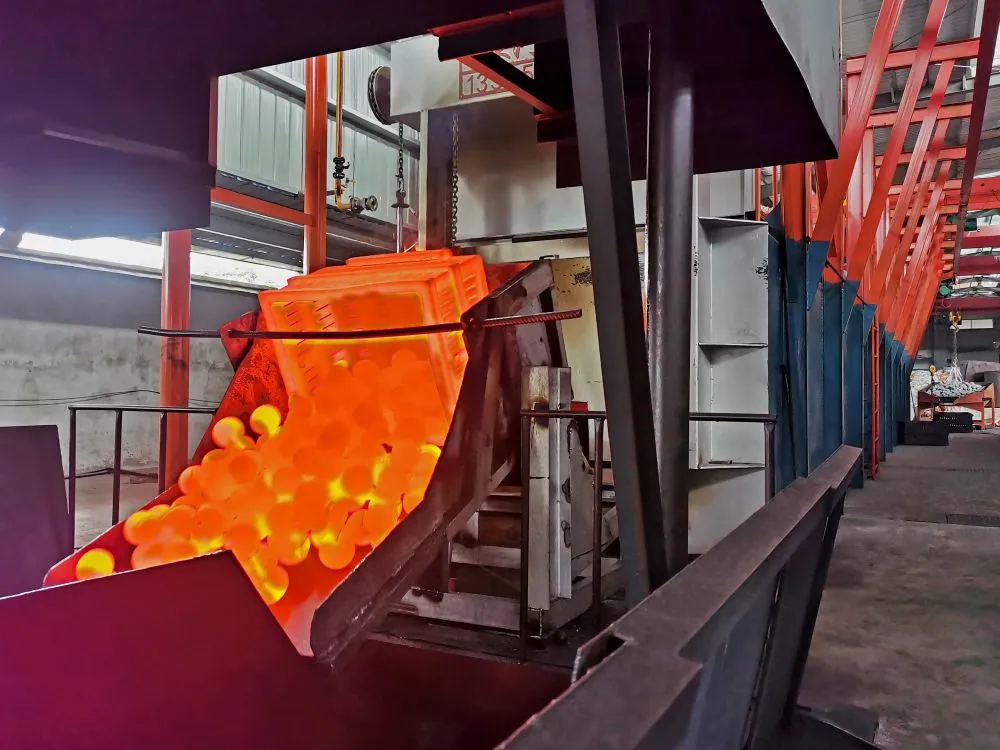
Heat treatment is where performance characteristics take shape. Cast grinding balls typically undergo quenching — rapid cooling from austenitizing temperatures — followed by tempering. The quenching medium (oil, water, or forced air) depends on chromium level and desired microstructure. Higher chromium grades (Cr 10%+) form a martensitic matrix with dispersed chromium carbides, giving these balls their exceptional wear resistance.
The final steps include shot blasting or grinding to remove surface scale, hardness testing on a sample from each batch, and dimensional checks. Quality-focused manufacturers run spectrometer analysis to verify the chemistry of every heat before releasing the batch.
3. The Role of Alloying Elements in Cast Grinding Balls
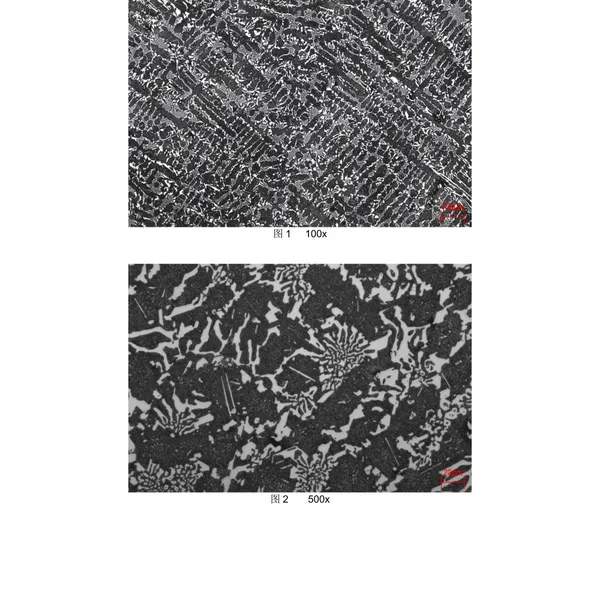
Chromium is the star of the show. In cast iron grinding balls, chromium content determines the type, volume fraction, and morphology of carbides in the microstructure. At low levels (Cr 1%–3%), the carbides are primarily iron carbide (Fe₃C), which is relatively soft and forms in a continuous network that can make the material brittle. As chromium rises above roughly 10%–12%, the carbides shift to M₇C₃ type — chromium-rich carbides that are harder, more discrete, and better at resisting both abrasion and corrosion.
Carbon works alongside chromium. Higher carbon means more carbides and higher hardness, but also less toughness. The typical carbon range for cast grinding balls runs from roughly 1.8% to 3.5%, tuned in tandem with the chromium level to balance hardness against impact resistance.
The table below summarizes how alloy composition affects the key properties:
| Element | Typical Range | Primary Effect |
|---|---|---|
| Carbon (C) | 1.8% – 3.5% | Increases hardness and carbide volume; reduces toughness |
| Chromium (Cr) | 1% – 36% | Forms hard M₇C₃ carbides; improves corrosion resistance |
| Manganese (Mn) | 0.3% – 1.5% | Improves hardenability; stabilizes austenite |
| Molybdenum (Mo) | 0% – 3% | Enhances hardenability in heavy sections; refines microstructure |
| Silicon (Si) | 0.3% – 1.2% | Deoxidizer; influences carbide morphology |
The interplay between these elements is what makes cast grinding ball manufacturing equal parts science and experience. A foundry that has spent two decades refining its alloy recipes — as Huafeng Wear-resistant Materials has since 2004 — can produce media that wears consistently and predictably across production batches, which is what large-scale mining operations depend on.
4. Key Performance Metrics: Hardness, Toughness, and Wear Resistance
Three properties define whether a grinding ball performs well or fails early: hardness, impact toughness, and wear resistance. They are related but not interchangeable, and optimizing one often comes at the expense of another.
Hardness is measured on the Rockwell C scale (HRC) for grinding balls. Low chrome balls typically land in the 45–55 HRC range. High chrome balls (Cr 10%–30%) can reach 58–65 HRC. Ultra-high chrome grades push into the 60–68 HRC zone.
Higher hardness generally correlates with better wear resistance, but only up to a point — if the ball is too hard and too brittle, it fractures on impact instead of wearing gradually.
Impact toughness measures how much energy a ball can absorb before cracking. It is tested through repeated drop-ball impacts, where a weight is dropped onto a ball from a standardized height. The number of drops to failure gives a toughness rating.
Forged steel balls typically outperform cast balls on toughness because forging aligns the grain structure. But high-quality cast balls with properly controlled heat treatment can achieve toughness levels of roughly 4–8 J/cm², which is sufficient for most ball mill applications.
Not long ago, a gold processing plant in West Africa switched from medium-chrome cast balls to a higher-chrome grade (Cr 18%) on a trial basis. The mill had been experiencing roughly 2.3% ball breakage per month with the old media. After the switch, breakage dropped below 0.5%, and ball consumption per ton of ore fell by roughly 18%. The plant estimated annual savings of about $140,000 on media costs, not counting reduced downtime from clearing broken fragments from discharge grates.
5. Common Sizes and Their Applications
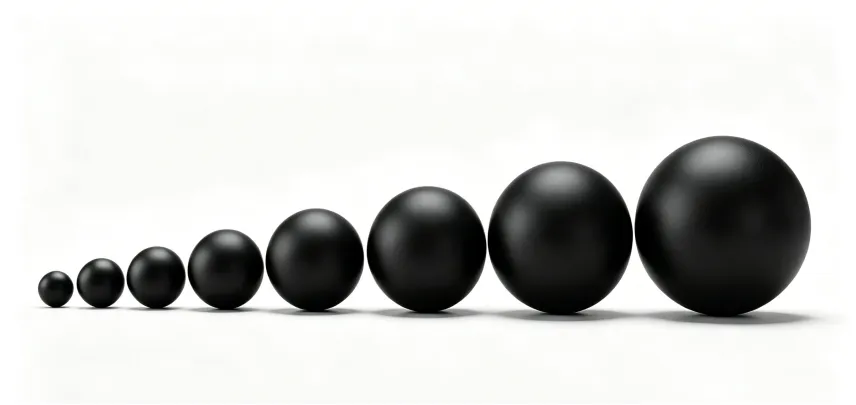
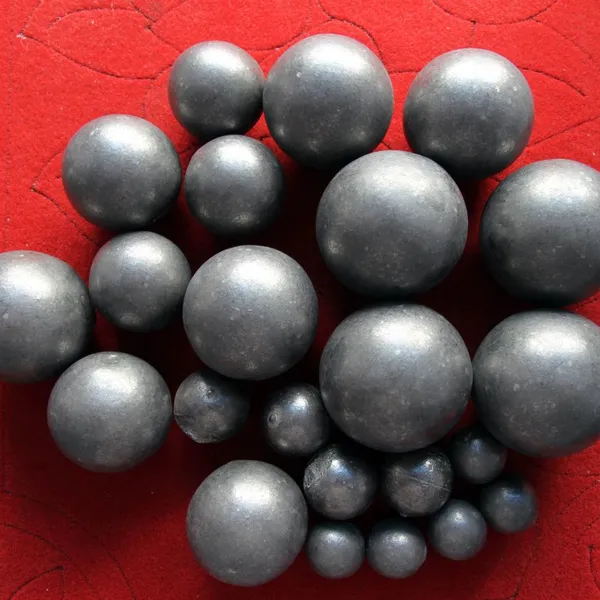
Cast grinding balls are manufactured in diameters ranging from roughly 4.8 mm — used for ultra-fine grinding in specialized applications — all the way up to 150 mm for large SAG mills processing hard, coarse ore. The size directly affects the grinding mechanism: larger balls deliver more impact energy per strike, while smaller balls provide more surface area for attrition grinding.
| Diameter Range | Typical Application | Mill Type |
|---|---|---|
| 4.8 – 40 mm | Fine grinding, cement, coal | Small ball mills, stirred mills |
| 40 – 60 mm | Secondary grinding, regrind circuits | Secondary ball mills |
| 60 – 90 mm | Primary grinding, medium-hard ores | Primary ball mills |
| 90 – 125 mm | Coarse grinding, hard ores | SAG mills, large ball mills |
| 125 – 150 mm | Heavy-duty SAG milling, hardest ores | Large SAG mills |
Most mills run a mixed charge of different sizes rather than a single diameter. A typical ball mill charge might be 30% large balls, 40% medium, and 30% small, with the exact ratio tuned by the mill operator based on feed size, target product size, and liner profile. The company's production lines handle this full size range, which means buyers can source an entire mill charge from one supplier instead of piecing together orders from multiple foundries.
6. What Happens Inside a Ball Mill: The Grinding Mechanism
Inside a rotating ball mill, grinding balls are lifted by the liners as the shell rotates, then cascade and cataract back down onto the ore. The breakaway point depends on mill speed — typically 65%–80% of critical speed — and liner profile.
Three distinct zones exist within the charge. At the toe, balls impact freshly fed ore with maximum energy. In the cascading zone, abrasion and attrition dominate. At the shoulder, impact and abrasion combine.
A well-designed charge distributes grinding work across all three zones.
In a typical copper concentrator processing roughly 50,000 tons per day, ball consumption runs from 0.5 to 1.2 kg per ton of ore — roughly 25 to 60 tons consumed daily. A difference of even 0.1 kg per ton can swing the annual media budget by tens of thousands of dollars.
7. Comparing Cast Grinding Balls with Other Grinding Media Types
Cast grinding balls are not the only option on the market. Forged steel balls, high-pressure grinding rolls (HPGR), and ceramic grinding media each occupy specific niches. The table below compares the major types for mineral processing applications.
| Media Type | Typical Hardness | Impact Toughness | Best For | Relative Cost |
|---|---|---|---|---|
| Low Chrome Cast (Cr 1%–3%) | 45–55 HRC | Moderate | Cement, coal, soft ores | $ |
| High Chrome Cast (Cr 10%–30%) | 58–65 HRC | Good | Hard rock, copper, gold, iron | $$ |
| Forged Steel | 55–65 HRC | Excellent | SAG mills, high-impact duty | $$ |
| CADI / ADI | 60–63 HRC (work-hardened) | Very Good | SAG mills, energy-saving goals | $$–$$$ |
| Ceramic | Very high | Low | Ultra-fine grinding, contamination-sensitive | $$$$ |
The right choice depends on what you are grinding. A cement plant grinding soft clinker may do perfectly well with low chrome cast balls. An iron ore SAG mill handling dense, abrasive feed will almost certainly need high chrome cast or forged steel — and possibly a blend of both.
A cement plant in Southeast Asia ran a comparison test some time ago, swapping low chrome for medium chrome (Cr 8%) in one of two identical finish mills. Over four months, the medium chrome mill showed roughly 22% lower ball consumption and more consistent Blaine surface area. The payback period was under five months, after which the savings flowed directly to the bottom line.
8. How to Evaluate Cast Grinding Balls Before You Buy
Evaluating grinding balls requires three layers of evidence: the supplier's production quality data, third-party test results, and — whenever possible — an on-site trial in the actual mill.
Production data should include spectrometer reports for each heat, batch hardness test results (min, max, average), and drop-ball impact test records. A supplier that cannot provide this level of documentation is worth approaching with caution. Foundries with in-house testing labs — such as Huafeng's quality control facilities — deliver this as standard shipment documentation.
On-site trials are the gold standard. The typical approach is to run a dedicated batch of the candidate grinding balls in one mill circuit while keeping the existing media in a parallel circuit, then compare consumption rates, product size distributions, and any changes in mill throughput over a period of at least 60 to 90 days. Short trials of two or three weeks rarely produce statistically meaningful results because ore variability can mask the actual media performance.
9. Common Mistakes When Sourcing Cast Grinding Balls
The most frequent mistake is buying on price alone. Grinding media is a consumable, and procurement departments tend to treat it as a commodity. But a ball that costs 15% less per ton and wears 30% faster is not a bargain — it loses money under the disguise of saving it.
Another error is ignoring the chromium-to-carbon ratio. Two balls with identical Cr content can perform very differently if the carbon level is off. Too little carbon means insufficient carbide volume for proper wear resistance. Too much carbon relative to chromium creates brittle, continuous carbide networks that lead to premature breakage.
Finally, ore chemistry is a silent budget killer. High-sulfide ores create acidic slurry conditions that accelerate corrosion alongside mechanical wear. Skipping the chromium upgrade in a high-sulfide application can increase total media consumption by 25%–40% beyond what hardness numbers alone predict.
10. Frequently Asked Questions
10.1 What is the difference between cast and forged grinding balls?
Cast grinding balls are produced by pouring molten metal into molds, giving manufacturers precise control over alloy composition — particularly chromium content. Forged grinding balls are mechanically shaped from heated steel billets, which aligns the internal grain structure for better impact toughness. Cast balls can achieve higher chromium levels — up to roughly 36% — translating into superior wear resistance. The choice depends on whether impact or abrasion dominates in your specific mill.
10.2 How do I know which chromium level to choose?
The chromium level should match your ore and mill type. For soft ores, cement clinker, and coal, low chrome (Cr 1%–3%) is sufficient and cost-effective. For medium-hard ores like copper and gold in ball mills, medium to high chrome (Cr 8%–18%) balances wear resistance and cost.
For the hardest, most abrasive ores in SAG mills — iron ore, for example — high to ultra-high chrome (Cr 18%–30%+) is typically necessary. If your slurry is acidic or sulfide-rich, lean higher on chromium regardless of ore hardness, because chromium also provides corrosion resistance.
10.3 What causes grinding balls to break?
Breakage in cast grinding balls usually stems from three root causes: excessive brittleness from improper heat treatment, internal casting defects such as porosity or shrinkage, or operating with balls that are too large and too hard for the application — oversized balls experience higher peak impact forces. Quality manufacturers use controlled quenching and tempering cycles, spectrometer-verified chemistry, and batch testing to minimize these risks. In well-run operations, breakage rates below 1% are achievable with properly specified high chrome cast balls.
10.4 How long do cast grinding balls last in a typical mining operation?
There is no single answer because ball life depends on ore abrasiveness, mill conditions, and media specifications. In a typical copper concentrator running high chrome balls (Cr 15%–20%), the entire charge is consumed and replenished over roughly 4 to 8 weeks — but individual balls are added daily to maintain the charge level. The key metric is consumption rate in kilograms per ton of ore processed, ranging from roughly 0.4 kg/ton for soft ore with premium media to over 1.5 kg/ton for hard, abrasive ore with lower-grade balls.
Recently Posted
-
Ningguo Huafeng at a Glance: 80,000 Tons of Grinding Media from China's Casting Capital
August 14, 2026In the global grinding media market, where buyers sort through dozens of supplier options, a few factors consistently separate rel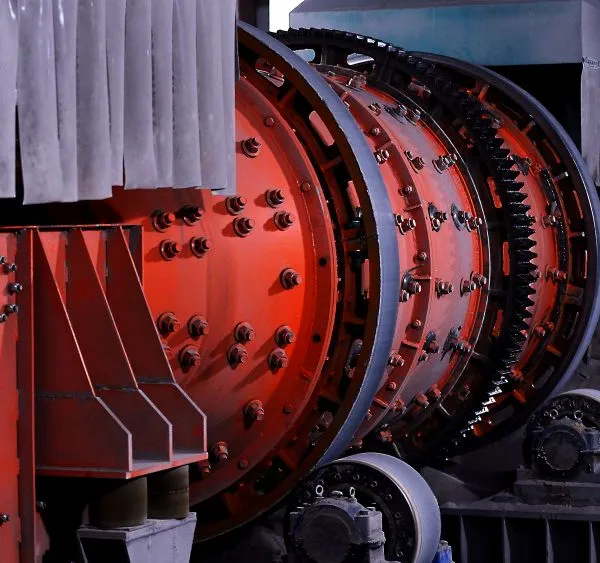 Read More
 -
Grinding Balls for Copper Mining: Challenges, Solutions, and Real-World Results
August 13, 2026A large copper concentrator in South America was burning through grinding media at a rate that made the plant manager lose sleep.
Read More -
How to Select a Grinding Ball Supplier: 8 Factors Beyond Price
August 13, 2026A procurement manager at a mid-sized mining company once told us about the grinding ball order that nearly shut down his operation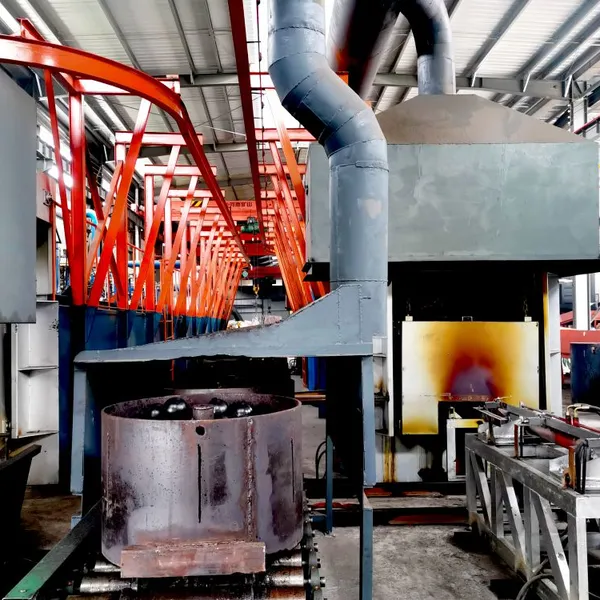 Read More
 -
Forged vs. Cast Grinding Balls: A Practical Comparison for Mining Operations
August 11, 2026An iron ore mine in Australia had been running forged steel grinding balls in its SAG mill for years without questioning the choic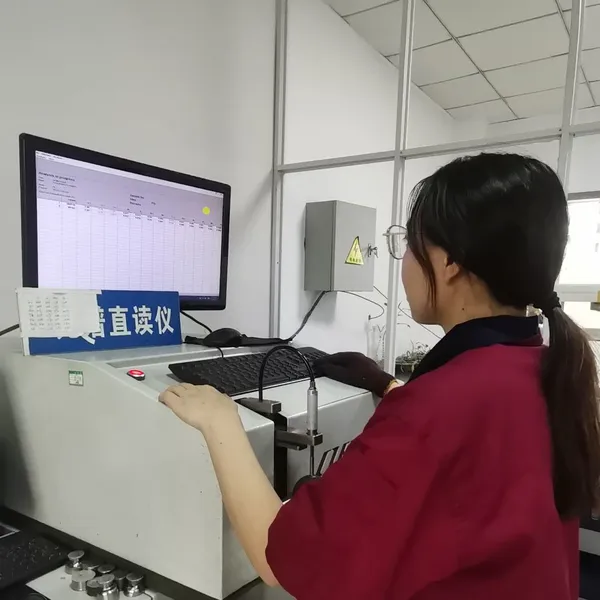 Read More

Contact Us
Recommended Products
-
 Chromium Alloy Cast Grinding Balls Cr 1%-30% High Hardness Low Breakage For Mining Ball Mill Cement PlantUS$ 600 - 2000MOQ: 27 Metric Tons
 -
High Silicon Chrome Alloy Cast Grinding Balls Cr 8%-12% High Hardness 62HRC Low Breakage Excellent Wear Resistance For Mining Cement Ball MillUS$ 1000 - 1500MOQ: 27 Metric Tons
-
Wear Resistant Steel Castings Customized Parts For Mining Cement Plant Ball Mill Hammer CrusherNegotiableMOQ: 1 Metric Ton
-
Forged Steel Grinding Balls HRC55-65 Low Breakage High Impact Toughness For Mining Cement Ball Mill SAG MillUS$ 600 - 1200MOQ: 27 Metric Tons
-
CADI Grinding Balls – Advanced Austempered Ductile Iron for SAG Mills, Work Hardening 60-63HRC, 8-25J/cm² Impact, 5%-10% Energy SavingUS$ 900 - 1500MOQ: 27 Metric Tons
-
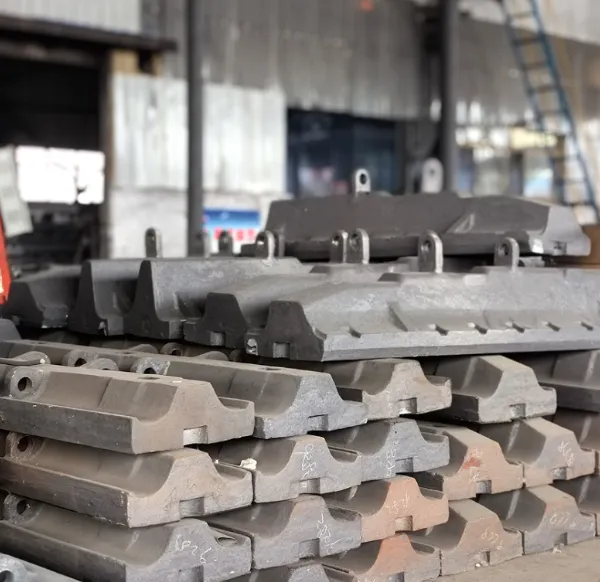
Bimetal Mill Liner High Chrome + Carbon Steel Composite High Hardness HRC58-63 2-3x Service Life For Ball Mill SAG Mill MiningUS$ 1800 - 5000MOQ: 1 Metric Ton
-
Crusher Hammer Head High Manganese Steel / CADI / High Chrome Alloy For Hammer Crusher Mining CementNegotiableMOQ: 1 Metric Ton
-
Chromium Alloy Cast Cylpebs Cr 1%-15% High Hardness Low Breakage For Mining Cement Fine GrindingUS$ 600 - 1200MOQ: 27 Metric Tons
-
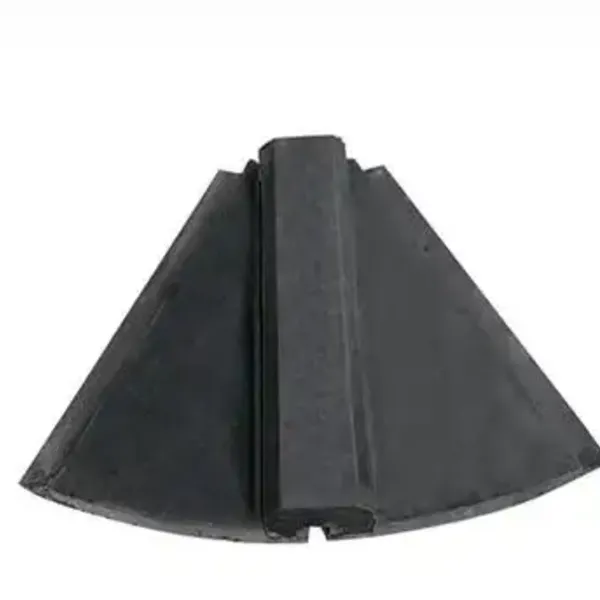
Chromium-Molybdenum Alloy Steel Mill Liner Medium/Low Cr-Mo High Wear Resistance High Impact For SAG Mill Ball Mill Mining CementUS$ 1000 - 1800MOQ: 1 Metric Ton
-
High Manganese Steel Mill Liner Mn13Cr2 High Impact Toughness Work Hardening For Ball Mill SAG Mill Mining CementUS$ 1200 - 1500MOQ: 1 Metric Ton
-
Chromium Alloy Cast Grinding Balls Cr 1%-3% Hardness ≥45HRC Economical General Purpose For Small Medium Ball MillsUS$ 600 - 2000MOQ: 27 Metric Tons
-
Austempered Ductile Iron Mill Liner High Hardness High Toughness For Ball Mill SAG Mill Long Service LifeNegotiableMOQ: 1 Metric Ton
-
Ultra-High Hardness High Carbon Cr-Mo Alloy Grinding Balls HRC60-68 Extreme Abrasion Resistance For Hardest Ore SAG MillsUS$ 1000 - 2000MOQ: 27 Metric Tons
-
Extra High Chrome Cast Iron Grinding Balls Cr 20%-30% HRC62-65 Extreme Wear Resistance For SAG Mills Heavy MiningUS$ 1000 - 1800MOQ: 27 Metric Tons
-
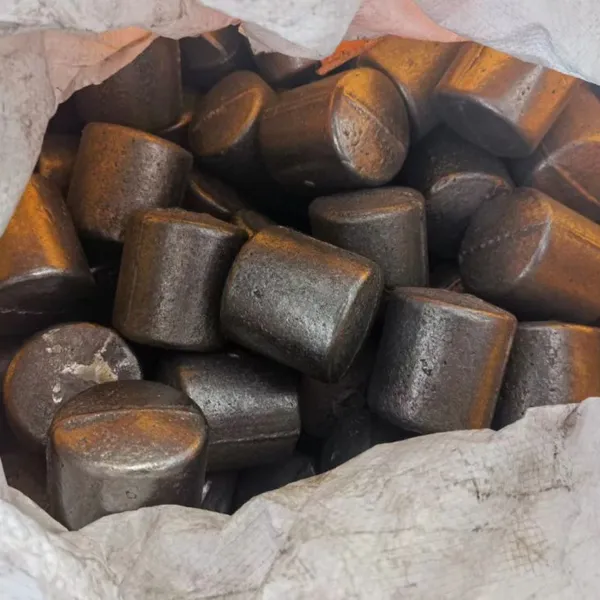
Low Chrome White Cast Iron Grinding Cylpebs Cr 1%-3% 45-55HRC High Toughness Low Cost For Cement Coal MillsUS$ 500 - 1200MOQ: 27 Metric Tons
-
ADI/CADI Austempered Ductile Iron Grinding Balls Work Hardening 60-63HRC 5-10% Energy Saving For SAG MillsUS$ 500 - 1200MOQ: 27 Metric Tons
-
Low Chrome Cast Grinding Balls Cr 1%-3% HRC45-55 Cost Effective For Cement Mills Coal Mills Soft OreUS$ 500 - 1000MOQ: 27 Metric Tons
-
Custom Size Cast Grinding Balls Any Diameter φ4.8-150mm Any Cr% 1%-30% Tailored Hardness For Unique Mill ConditionsUS$ 600 - 2000MOQ: 27 Metric Tons
-
High Chrome Cast Grinding Balls Cr 10%-30% Ultra Hardness 58-65HRC Extremely Low Breakage For Hard Rock MiningUS$ 600 - 2000MOQ: 27 Metric Tons
-
Forged Steel Grinding Balls HRC55-65 Low Breakage High Impact Toughness For SAG Mill Ball Mill MiningUS$ 600 - 2000MOQ: 34 Metric Tons