
 Business License

Forged vs. Cast Grinding Balls: A Practical Comparison for Mining Operations
An iron ore mine in Australia had been running forged steel grinding balls in its SAG mill for years without questioning the choice. The balls did not break, the operators were comfortable with the performance, and the procurement contract was on autopilot. When a new plant manager ordered a side-by-side trial with high chrome cast balls (Cr 18%) in the downstream ball mill, the results caught everyone off guard: cast ball consumption came in at roughly 0.62 kg per ton versus 0.85 kg per ton for the forged balls — a 27% reduction that saved an estimated $190,000 in annual media costs for that single mill circuit.
The forged-versus-cast debate is one of the oldest questions in mineral processing, and too often it gets reduced to a simple rule of thumb — forged for impact, cast for abrasion — that misses the nuance operations actually need. Both manufacturing methods produce effective grinding media, but they excel under different combinations of mill type, ore characteristics, and operating conditions.
This article breaks down the practical differences between forged and cast grinding balls across the metrics that matter in real mining operations: wear rates, breakage risk, cost per ton ground, and application-specific fit.
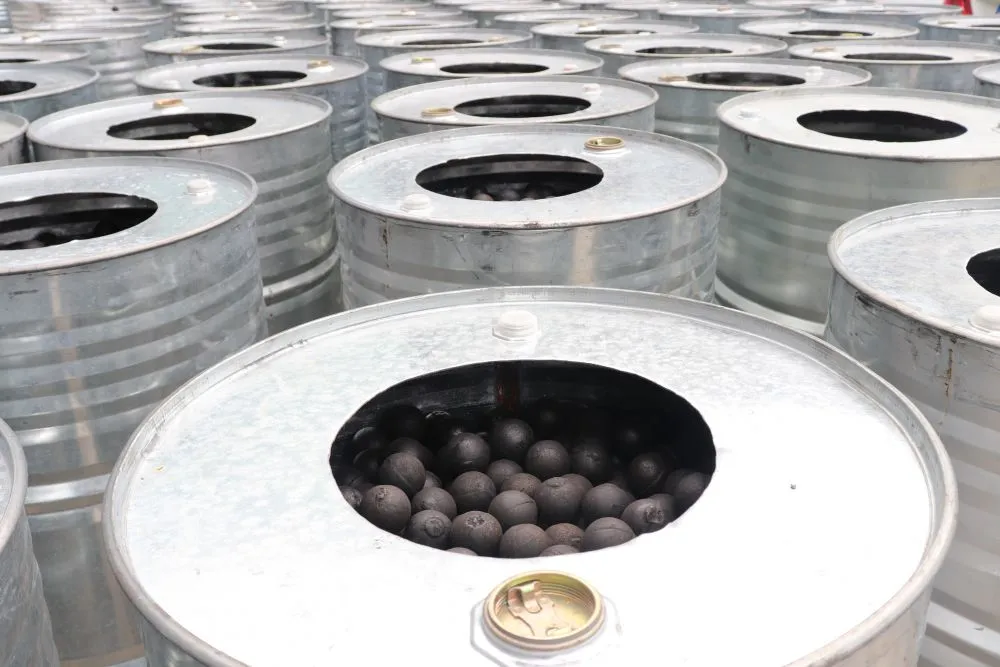
1. How Manufacturing Shapes Performance
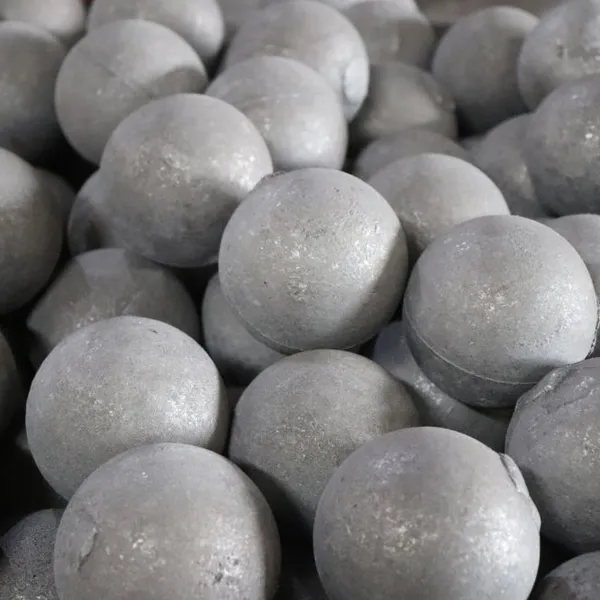
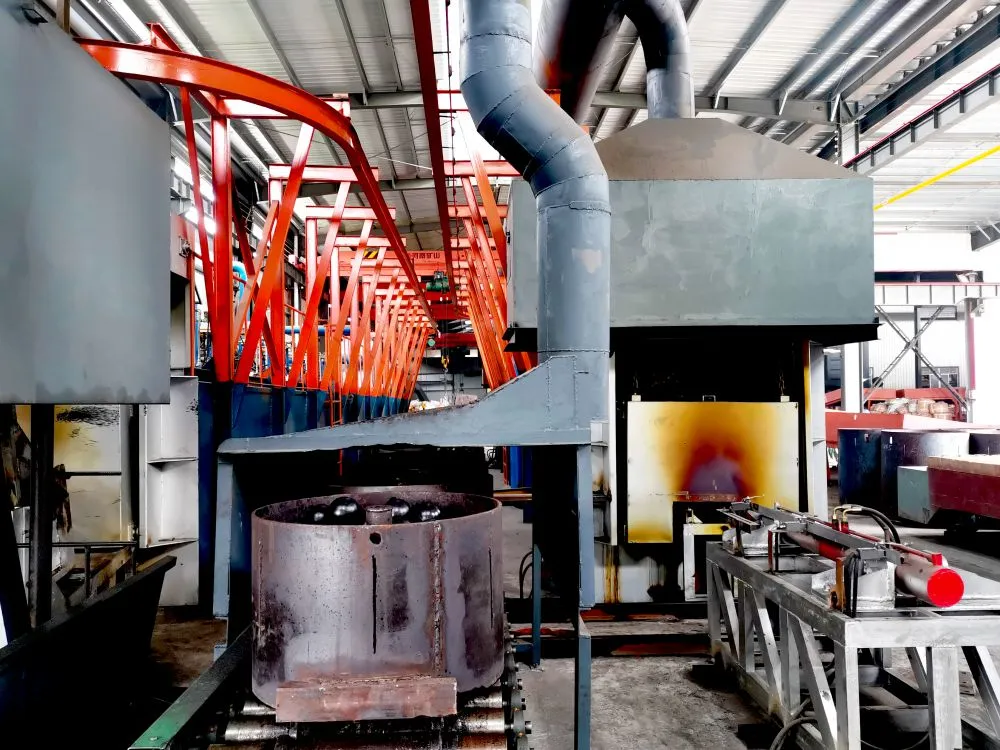
Forged grinding balls start as steel billets or round bars, typically made from high-carbon steel with small additions of manganese and silicon. The billet is heated to roughly 1,100–1,200°C and then shaped under enormous mechanical pressure — often in a skew rolling or hammer forging process — into a sphere. Because the metal is worked while hot, the internal grain structure flows and aligns along the ball's contours, creating a product with excellent impact toughness and resistance to crack propagation.
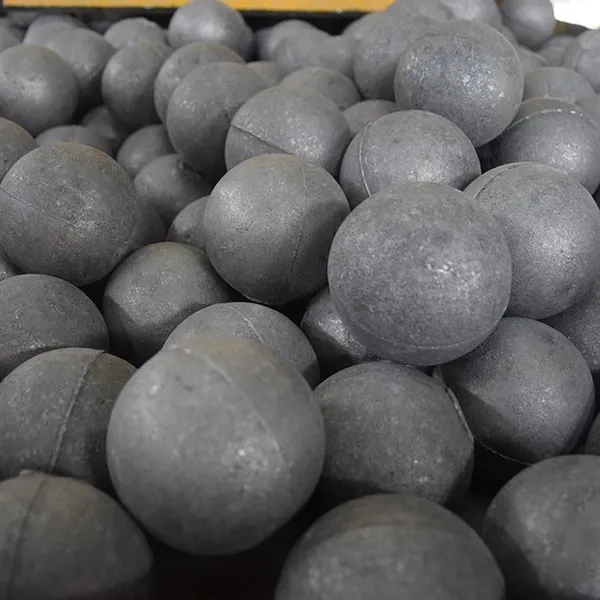
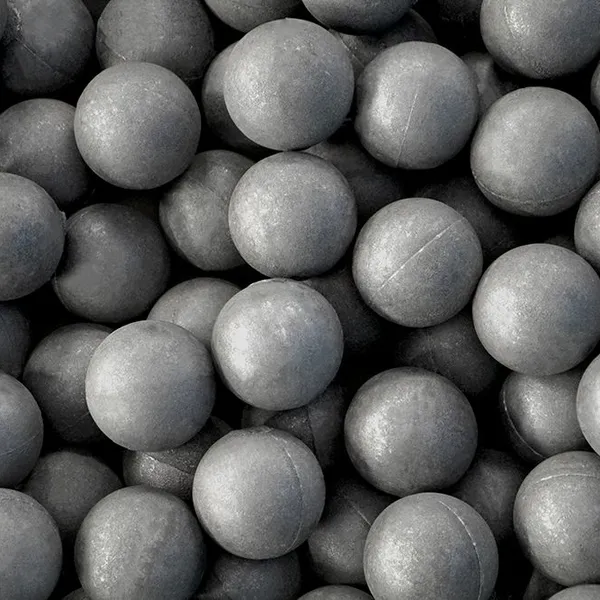
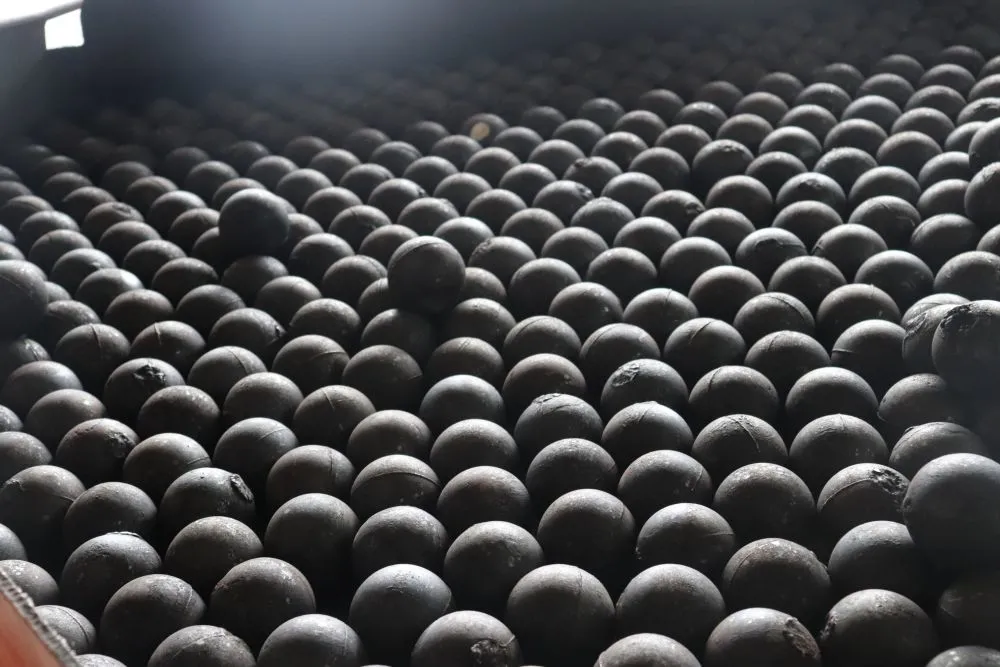
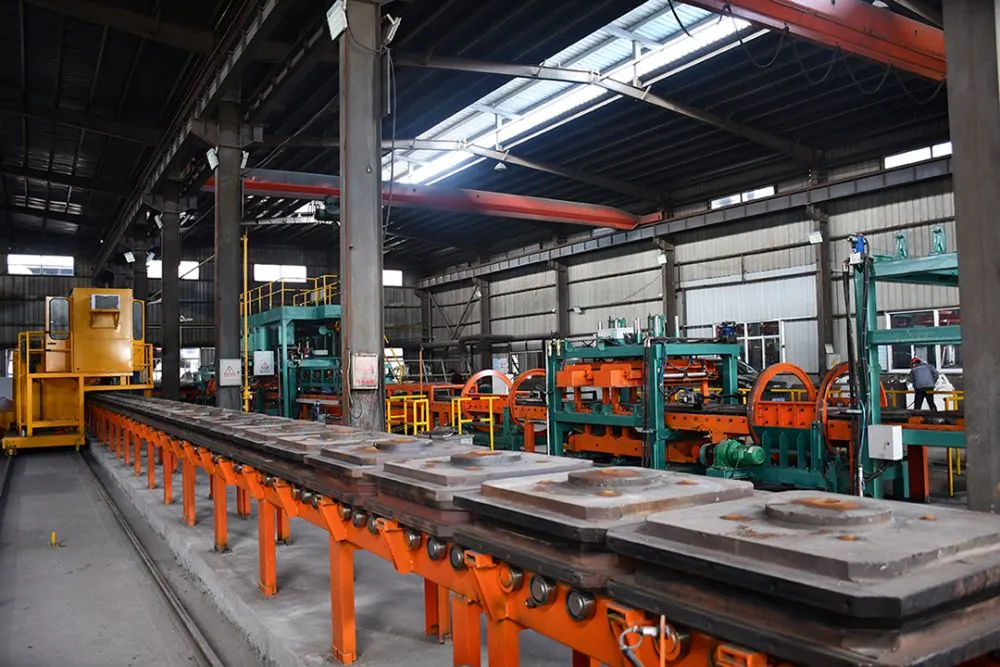
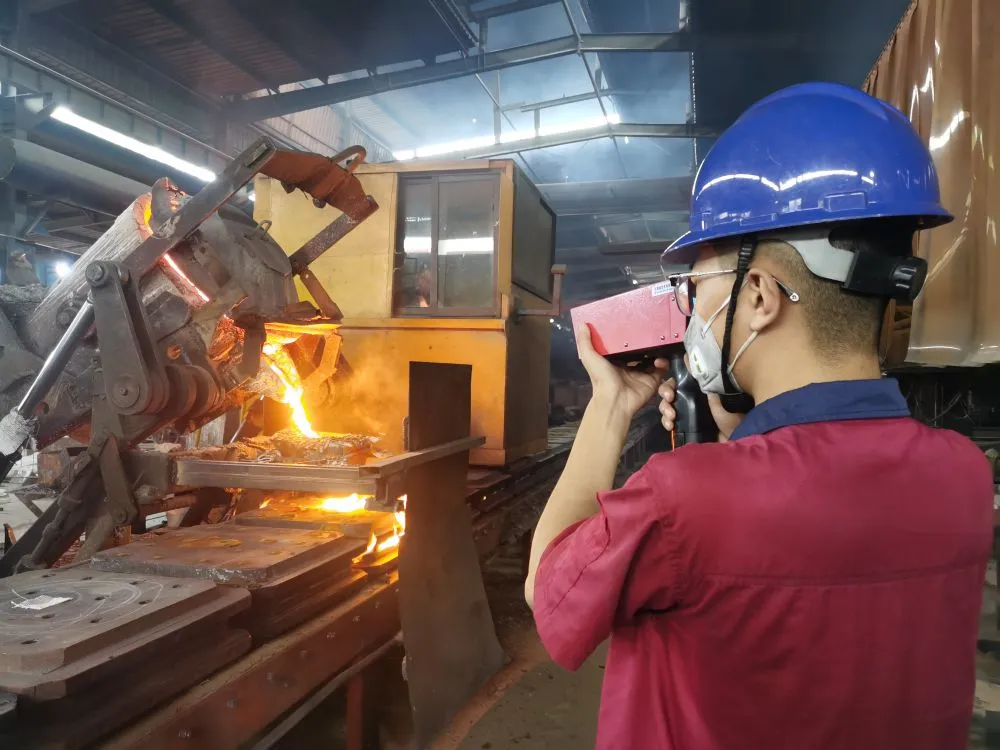
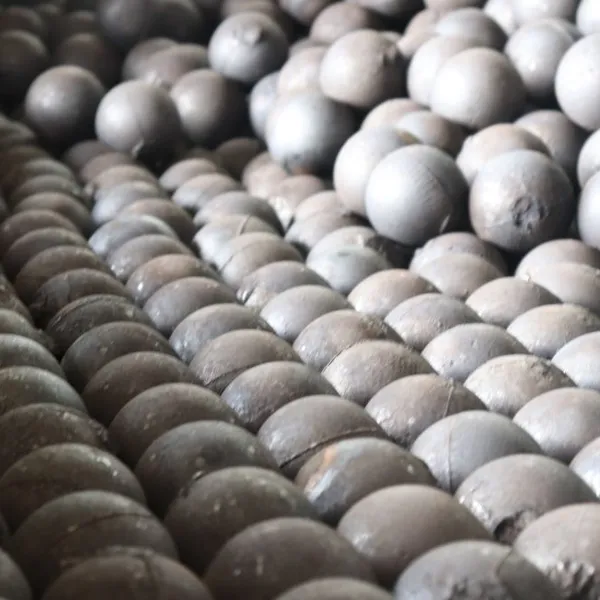
Cast grinding balls, by contrast, begin as molten metal poured into molds. The liquid steel or iron solidifies in place, forming a microstructure fundamentally different from forged material. Without mechanical working to align grains, cast balls rely on alloy chemistry — particularly chromium and carbon — and heat treatment to develop hardness and wear resistance.
Ningguo Huafeng Wear-resistant Materials Co., Ltd. produces cast balls across a chromium range from roughly 1% to 36%, which means each grade can be dialed in to match specific wear conditions.
The consequence of these different manufacturing paths is simple: forged balls are tougher, and cast balls can be made harder. Which property matters more depends entirely on what is happening inside your mill.
2. Impact Toughness: Where Forged Balls Excel
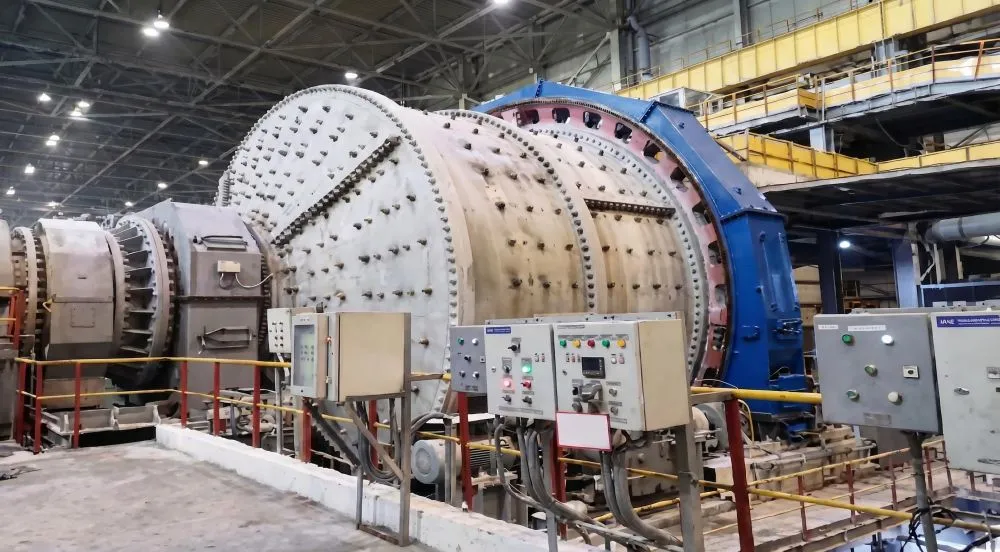
Impact toughness is the ability of a grinding ball to absorb energy without fracturing. In a SAG mill processing hard, coarse ore — think freshly blasted rock with particle sizes of 100 mm or larger — the balls are subjected to repeated high-energy impacts as they cascade from the top of the mill charge onto the rock at the bottom. Each impact can generate peak contact stresses that exceed the yield strength of lower-toughness materials.
Forged steel balls handle these conditions remarkably well. Their aligned grain structure gives them impact toughness values typically in the range of 12–25 J/cm², measured by standard Charpy or drop-ball testing. High chrome cast balls, depending on their exact composition and heat treatment, typically achieve 4–8 J/cm². Low chrome cast balls may go even lower — 2–5 J/cm² — which is why they are rarely used in SAG mill applications.
This does not mean that cast balls fracture easily in all conditions. In ball mills operating at moderate speeds with smaller feed sizes, the impact energy per strike is much lower, and 4–8 J/cm² of toughness is perfectly adequate. The problems arise when high-hardness cast balls with insufficient toughness are put into a SAG mill with large, hard feed material — the combination of high impact energy and brittle material produces the kind of catastrophic breakage that clogs grates and shuts down circuits.
3. Wear Resistance: Where Cast Balls Excel
Wear resistance in grinding balls comes from a combination of hardness and microstructure. Forged steel balls, without significant chromium content, rely primarily on a tempered martensite structure for hardness — typically reaching 55–65 HRC on the surface, with hardness decreasing toward the core. This hardness profile works well in high-impact environments but leaves the balls vulnerable to abrasive wear, particularly from hard, angular ore particles.
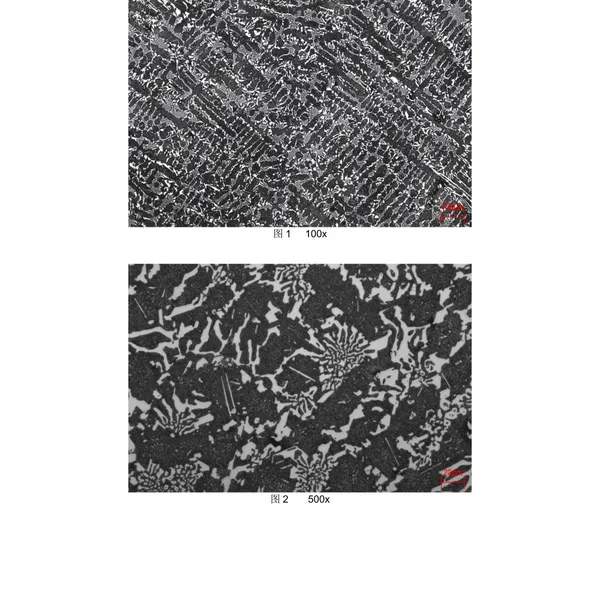
Cast grinding balls with high chromium content (Cr 10%–30%) form a fundamentally different wear-resistant structure. The high chromium level produces hard M₇C₃ carbides — roughly 1,200–1,600 HV — embedded in a martensitic matrix. These carbides are harder than quartz (roughly 1,000–1,100 HV), which means the primary abrasive mineral in most ores cannot easily scratch them. The result is a wear rate that can be 25%–40% lower than forged steel in ball mill applications where abrasion is the dominant wear mechanism.
The table below summarizes the key performance differences:
| Property | Forged Steel Balls | High Chrome Cast Balls | Low Chrome Cast Balls |
|---|---|---|---|
| Surface Hardness (HRC) | 55–65 | 58–65 | 45–55 |
| Impact Toughness (J/cm²) | 12–25 | 4–8 | 2–5 |
| Wear Resistance | Good | Excellent | Moderate |
| Corrosion Resistance | Low | High | Low–Moderate |
| Best Mill Type | SAG mill | Ball mill, SAG mill (Cr 15%+) | Cement, coal mill |
| Relative Cost | $$ | $$ | $ |
4. Cost per Ton Ground: The Numbers That Matter
The purchase price of grinding balls is the wrong metric to focus on. What matters is the cost per ton of ore ground, which factors in the consumption rate alongside the unit price. A forged ball may cost 10%–15% more per ton than a medium chrome cast ball, but if it wears 30% slower in the right application, it delivers a lower total cost.
Huafeng Wear-resistant Materials routinely helps customers run comparative cost analyses. In one case, a gold mine in West Africa compared forged balls ($1,100/ton, consuming 0.9 kg/ton of ore) against high chrome cast balls ($1,300/ton, consuming 0.6 kg/ton). The forged balls cost $0.99 per ton of ore ground, while the cast balls cost $0.78 per ton — a 21% reduction in total grinding media cost despite the higher unit price.
The calculation is straightforward: multiply the ball price per ton by the consumption rate in kg/ton (divided by 1,000). But the hard part is getting reliable consumption data, because ore hardness varies day to day. A minimum trial period of 60–90 days is needed before the consumption numbers become statistically meaningful.
5. Where Forged Balls Win: The Right Applications
Forged steel grinding balls are the best choice when impact toughness is the primary requirement and the mill conditions are punishing. SAG mills processing hard, coarse ore — particularly large-diameter mills above roughly 10 meters — subject grinding balls to the highest impact energies in the industry. No amount of chromium can compensate for insufficient toughness in these conditions, because a ball that shatters on impact stops grinding immediately and creates downstream problems that cost far more than the ball itself.
Forged balls also perform well in circuits where the ore is variable and the mill occasionally sees tramp metal or uncrushable material. Their higher toughness provides a margin of safety against unexpected impact events that might fracture more brittle cast balls. Operations that prioritize mill uptime above all else — remote mines where a shutdown means flying in a specialist team — often standardize on forged balls for reliability reasons, even if the wear rate is slightly higher.
Additionally, forged balls maintain consistent hardness through their entire cross-section, while cast balls can show a hardness gradient from surface to core. In mills that run balls down to very small diameters before replenishing the charge — effectively grinding the balls to near-complete consumption — this through-hardness can be an advantage.
6. Where Cast Balls Win: The Right Applications
High chrome cast grinding balls dominate in ball mills, particularly in secondary and tertiary grinding stages where feed sizes are smaller and impact energies are lower. In these conditions, the wear resistance advantage of high chromium carbides translates directly into lower consumption rates and fewer ball additions per shift.
Cast balls also outperform forged in corrosive environments. Copper concentrators with high pyrite content in the ore, gold plants using cyanide leaching, and any circuit where the slurry pH drops below roughly 7 will see accelerated wear on low-chromium forged balls. The chromium in cast balls forms a passive corrosion-resistant layer that significantly slows the combined corrosion-abrasion wear mechanism.
Some time ago, a copper mine in Chile tracked the performance of forged balls versus high chrome cast balls (Cr 20%) in a secondary ball mill processing flotation feed. The forged balls consumed at roughly 0.75 kg/ton, while the cast balls consumed at 0.48 kg/ton — a 36% reduction. The key factor was the slurry chemistry: the mildly acidic conditions (pH ~6.5) were corroding the forged balls faster than pure abrasion models predicted. The chromium in the cast balls solved a problem the mine did not even realize it had.
7. The Blended Approach: Using Both Types in One Circuit
Many large mining operations do not choose one type exclusively. A common strategy is to run forged steel balls in the SAG mill — where impact dominates — and high chrome cast balls in the downstream ball mills, where abrasion and corrosion take over. This blended approach optimizes each stage of the grinding circuit independently rather than settling for a compromise grade that is suboptimal everywhere.
The logistics of managing two different grinding ball types are manageable for operations that already carry multiple ball sizes in inventory. The key is clear labeling and segregated storage — mixing forged and cast balls in the same mill charge defeats the purpose, because the different wear rates create an unpredictable charge composition over time.
Companies that supply both forged and cast grinding balls — such as Huafeng, which offers forged steel grinding balls alongside its full cast product range — can simplify the procurement and quality tracking process by consolidating purchases with a single supplier. This also makes it easier to run comparative trials, since the supplier has no incentive to favor one product type over the other.
8. Making the Decision: A Practical Framework
Choosing between forged and cast grinding balls comes down to three questions about your operation. First, what is the dominant wear mechanism — impact, abrasion, or corrosion? Impact favors forged; abrasion and corrosion favor cast. Many mills have a mix, but one mechanism usually dominates.
Second, what is the cost of a ball-related mill stoppage in your operation? If a single unplanned shutdown costs more than the annual grinding media budget, lean toward forged balls for their reliability margin, even if the consumption rate is higher. If your mill runs with high availability and stoppages are rare, optimize for the lowest cost per ton ground.
Third, can you run a proper trial? Every mill is different, and ore characteristics change over the life of a mine. A 60-to-90-day side-by-side trial in one mill circuit, with careful tracking of consumption, product size, and downtime events, is worth more than any general recommendation.
9. Frequently Asked Questions
9.1 Are forged grinding balls always better than cast for SAG mills?
Not always. Forged balls are the safer choice for SAG mills because of their superior impact toughness, but high chrome cast balls with chromium content of 15% or higher and properly controlled heat treatment can perform well in SAG mills processing medium-hard ore. The key threshold is impact energy: in mills above roughly 10 meters in diameter processing hard ore, forged balls are strongly preferred. In smaller SAG mills or those with softer feed, high chrome cast balls can deliver lower consumption rates without excessive breakage risk.
9.2 Why do forged balls cost more than cast balls?
Forged grinding balls cost more primarily because of the raw material and energy inputs. Forging-grade steel billets are more expensive than the scrap steel and ferroalloys used in casting. The forging process also requires more energy per ton of finished product, and the production throughput is typically lower than casting lines. However, the purchase price difference does not always translate into higher total cost — if forged balls consume at a significantly lower rate in your specific application, they can be cheaper per ton of ore ground.
9.3 Can I mix forged and cast balls in the same mill?
It is not recommended. Forged and cast balls wear at different rates and have different density and hardness profiles. Mixing them creates an unpredictable charge composition over time, with the harder balls potentially accelerating wear on the softer ones through preferential contact. If you want to use both types in your circuit, the standard approach is to assign forged balls to the SAG mill and cast balls to the downstream ball mills, keeping each mill's charge homogeneous.
Recently Posted
-
Ningguo Huafeng at a Glance: 80,000 Tons of Grinding Media from China's Casting Capital
August 14, 2026In the global grinding media market, where buyers sort through dozens of supplier options, a few factors consistently separate rel Read More
 -
Grinding Balls for Copper Mining: Challenges, Solutions, and Real-World Results
August 13, 2026A large copper concentrator in South America was burning through grinding media at a rate that made the plant manager lose sleep.
Read More -
How to Select a Grinding Ball Supplier: 8 Factors Beyond Price
August 13, 2026A procurement manager at a mid-sized mining company once told us about the grinding ball order that nearly shut down his operation Read More
 -
Cast Grinding Balls Explained: What They Are and Why They Matter in Mineral Processing
August 10, 2026A copper mine in South America watched its grinding circuit spiral into chaos. Ball consumption had crept from roughly 0.8 kg per Read More

Contact Us
Recommended Products
-
 Chromium Alloy Cast Grinding Balls Cr 1%-30% High Hardness Low Breakage For Mining Ball Mill Cement PlantUS$ 600 - 2000MOQ: 27 Metric Tons
 -
High Silicon Chrome Alloy Cast Grinding Balls Cr 8%-12% High Hardness 62HRC Low Breakage Excellent Wear Resistance For Mining Cement Ball MillUS$ 1000 - 1500MOQ: 27 Metric Tons
-
Wear Resistant Steel Castings Customized Parts For Mining Cement Plant Ball Mill Hammer CrusherNegotiableMOQ: 1 Metric Ton
-
Forged Steel Grinding Balls HRC55-65 Low Breakage High Impact Toughness For Mining Cement Ball Mill SAG MillUS$ 600 - 1200MOQ: 27 Metric Tons
-
CADI Grinding Balls – Advanced Austempered Ductile Iron for SAG Mills, Work Hardening 60-63HRC, 8-25J/cm² Impact, 5%-10% Energy SavingUS$ 900 - 1500MOQ: 27 Metric Tons
-
Bimetal Mill Liner High Chrome + Carbon Steel Composite High Hardness HRC58-63 2-3x Service Life For Ball Mill SAG Mill MiningUS$ 1800 - 5000MOQ: 1 Metric Ton
-
Crusher Hammer Head High Manganese Steel / CADI / High Chrome Alloy For Hammer Crusher Mining CementNegotiableMOQ: 1 Metric Ton
-
Chromium Alloy Cast Cylpebs Cr 1%-15% High Hardness Low Breakage For Mining Cement Fine GrindingUS$ 600 - 1200MOQ: 27 Metric Tons
-
Chromium-Molybdenum Alloy Steel Mill Liner Medium/Low Cr-Mo High Wear Resistance High Impact For SAG Mill Ball Mill Mining CementUS$ 1000 - 1800MOQ: 1 Metric Ton
-
High Manganese Steel Mill Liner Mn13Cr2 High Impact Toughness Work Hardening For Ball Mill SAG Mill Mining CementUS$ 1200 - 1500MOQ: 1 Metric Ton
-
Chromium Alloy Cast Grinding Balls Cr 1%-3% Hardness ≥45HRC Economical General Purpose For Small Medium Ball MillsUS$ 600 - 2000MOQ: 27 Metric Tons
-
Austempered Ductile Iron Mill Liner High Hardness High Toughness For Ball Mill SAG Mill Long Service LifeNegotiableMOQ: 1 Metric Ton
-
Ultra-High Hardness High Carbon Cr-Mo Alloy Grinding Balls HRC60-68 Extreme Abrasion Resistance For Hardest Ore SAG MillsUS$ 1000 - 2000MOQ: 27 Metric Tons
-
Extra High Chrome Cast Iron Grinding Balls Cr 20%-30% HRC62-65 Extreme Wear Resistance For SAG Mills Heavy MiningUS$ 1000 - 1800MOQ: 27 Metric Tons
-
Low Chrome White Cast Iron Grinding Cylpebs Cr 1%-3% 45-55HRC High Toughness Low Cost For Cement Coal MillsUS$ 500 - 1200MOQ: 27 Metric Tons
-
ADI/CADI Austempered Ductile Iron Grinding Balls Work Hardening 60-63HRC 5-10% Energy Saving For SAG MillsUS$ 500 - 1200MOQ: 27 Metric Tons
-
Low Chrome Cast Grinding Balls Cr 1%-3% HRC45-55 Cost Effective For Cement Mills Coal Mills Soft OreUS$ 500 - 1000MOQ: 27 Metric Tons
-
Custom Size Cast Grinding Balls Any Diameter φ4.8-150mm Any Cr% 1%-30% Tailored Hardness For Unique Mill ConditionsUS$ 600 - 2000MOQ: 27 Metric Tons
-
High Chrome Cast Grinding Balls Cr 10%-30% Ultra Hardness 58-65HRC Extremely Low Breakage For Hard Rock MiningUS$ 600 - 2000MOQ: 27 Metric Tons
-
Forged Steel Grinding Balls HRC55-65 Low Breakage High Impact Toughness For SAG Mill Ball Mill MiningUS$ 600 - 2000MOQ: 34 Metric Tons