
 Business License

ADI and CADI Grinding Balls: The Next Generation of Work-Hardening Grinding Media
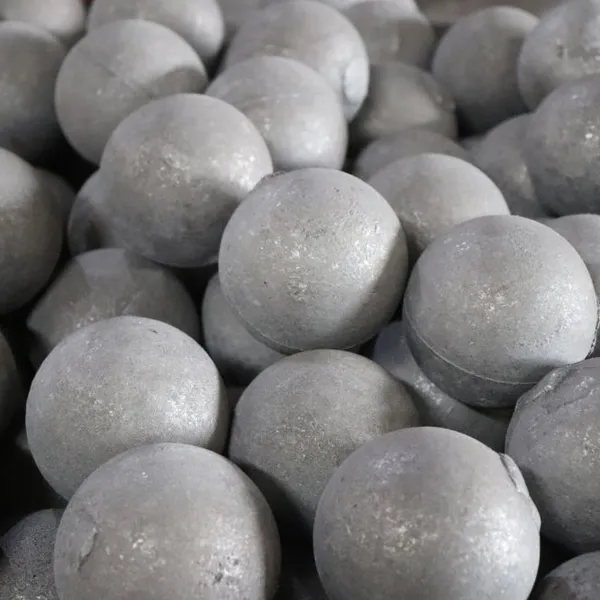
Austempered ductile iron (ADI) and carbidic austempered ductile iron (CADI) represent a newer class of grinding media that hardens under service rather than relying on a fixed initial hardness. These materials combine the toughness of ductile iron with the surface-hardening behavior that extends wear life. This guide explains what they are, how they differ, and where they genuinely outperform conventional media.
1. What Are ADI and CADI?
ADI is austempered ductile iron — a cast iron grade in which the graphite forms spheroids, and the matrix is transformed through an austempering heat treatment into a structure of acicular ferrite and carbon-enriched austenite. The result is a material with an unusual combination of strength, toughness, and fatigue resistance.
CADI adds a carbidic component. A controlled fraction of hard carbides is introduced into the austempered matrix, boosting initial hardness and wear resistance while retaining much of the ductile iron toughness. CADI was developed specifically for abrasion-resistant applications, including grinding media.
Both materials share a defining trait: they work-harden in service. The surface layers transform under repeated impact and abrasion, and the surface hardness rises as the ball works, rather than starting at its peak and wearing down from there.
ADI itself is not new — it has served automotive and industrial castings for decades — but its application to grinding media is a more recent development. The combination of a tough matrix with service hardening maps directly onto the demands of a grinding ball, which is why foundries have invested in austempering lines for media production.
2. The Austempering Process
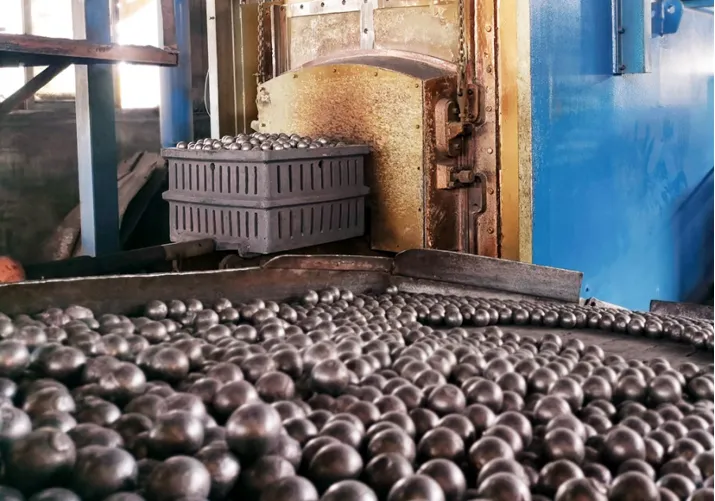
Austempering is a two-stage heat treatment. The casting is first heated into the austenite region, roughly 850 °C to 950 °C, then quenched rapidly to a temperature typically between 250 °C and 400 °C and held there for a defined period.
During the hold, the austenite transforms to ausferrite — a fine mixture of acicular ferrite and stabilized austenite. This microstructure is what gives ADI its strength and toughness. The exact temperature and hold time control the final balance of hardness and ductility, which makes process control the heart of ADI production.
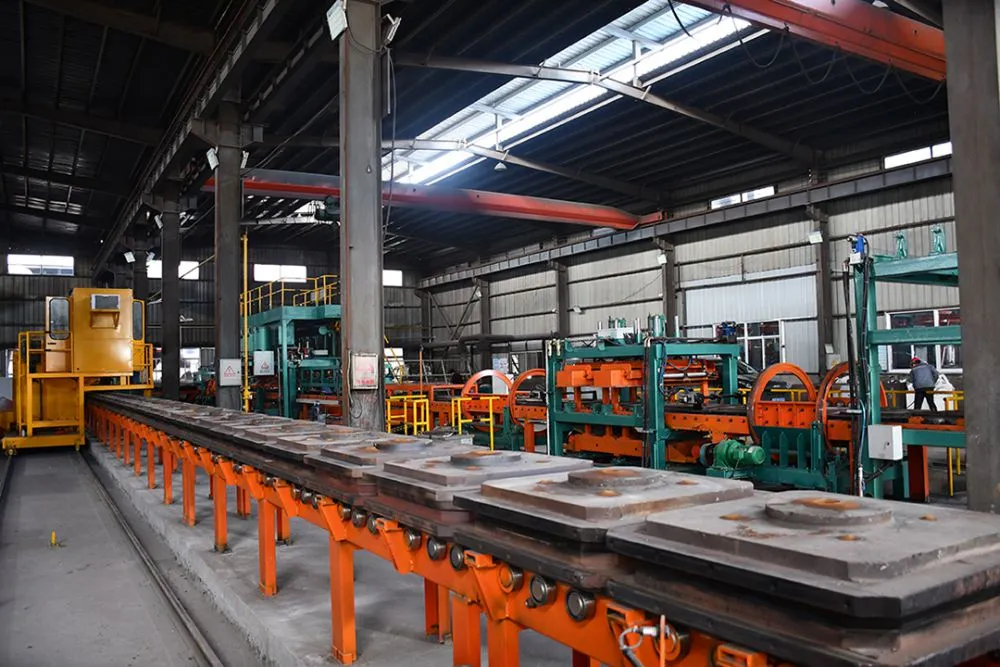
For grinding balls, the austempering cycle must be tuned to ball size and section thickness. A large ball cools more slowly in the center than a small one, so the cycle parameters differ across the diameter range. Ningguo Huafeng Wear-resistant Materials Co., Ltd. has developed austempering schedules matched to its ball sizes, with batch-level process records maintained for traceability.
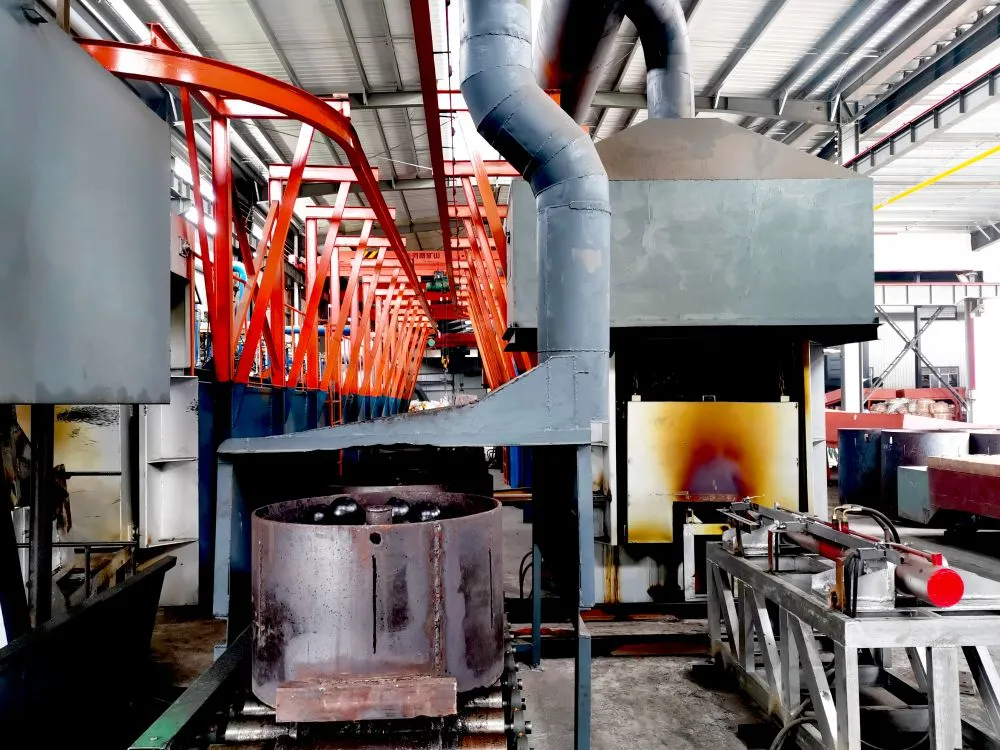
Austempering also demands production discipline that conventional casting does not. Salt-bath or fluidized-bed furnaces must hold temperature within a tight band, timing must be repeatable heat after heat, and the transfer from austenitizing to the austempering bath must be fast enough to avoid pearlite formation. Plants that skip these controls produce material that looks like ADI but performs like ordinary cast iron.
3. Work-Hardening Behavior: Why Surface Hardness Rises
Conventional grinding balls are sold with a fixed hardness. As they wear, the hardness at the surface is the hardness for life. ADI and CADI behave differently: the retained austenite at the surface transforms to martensite under impact, and the surface hardness increases progressively during early service.
A typical ADI ball might start at roughly 40 to 50 HRC equivalent and work-harden toward 55 to 60 HRC at the surface within the first weeks of mill operation. CADI starts harder, in the range of 50 to 58 HRC, and can harden further in service.
The practical significance is a wear profile that stays sharp. Because the surface continues to harden as it wears, the ball maintains grinding efficiency instead of softening and flattening. This is the property that makes work-hardening media attractive for abrasive, moderate-impact applications.
The transformation depth is limited — it affects the surface layer rather than the whole ball — but that is precisely where wear happens. As the hardened layer is consumed, fresh austenite-rich material beneath it is exposed and transforms in turn, sustaining the effect through the life of the ball.
4. ADI vs. CADI: Key Differences
ADI and CADI are often mentioned together, but they suit different duties. ADI optimizes toughness and fatigue resistance, with lower initial hardness. CADI trades some toughness for higher initial hardness through its carbide fraction.
| Property | ADI | CADI |
|---|---|---|
| Initial surface hardness | 40–50 HRC (equiv.) | 50–58 HRC (equiv.) |
| Work-hardened hardness | 55–60 HRC (surface) | 55–62 HRC (surface) |
| Carbide content | None or minimal | Controlled fraction |
| Toughness | Higher | Moderate |
| Wear mechanism fit | Impact + abrasion mix | Abrasion-dominant duty |
In grinding media, CADI is the more common choice because wear resistance is usually the priority, while ADI finds its niche where impact energy is high enough to demand maximum toughness. The material choice should follow the dominant wear mechanism in the mill.
The carbide fraction in CADI is engineered rather than accidental. Carbides form during solidification from carbon-rich regions, and their size, amount, and distribution are controlled through composition and cooling practice. Getting this balance right is what separates CADI from an ordinary hard iron with poor toughness.
5. Performance vs. High Chrome Cast Balls
The comparison that matters to most mills is ADI/CADI versus high chrome cast balls, the current workhorse of abrasive duty. Each has a distinct wear signature. High chrome balls rely on a uniformly hard carbide-rich structure; ADI/CADI rely on a tough matrix that hardens at the surface.
In purely abrasive conditions, high chrome balls typically hold the edge in total wear resistance because their hardness is uniform through the wear path. In conditions combining abrasion with significant impact, ADI/CADI can match or exceed high chrome because they do not suffer the brittleness that limits high chrome grades.
Reported results from plant trials vary with the application, but consumption reductions in the range of 10% to 30% versus conventional cast balls have been documented in suitable duty, alongside reduced breakage. The key word is suitable — ADI/CADI is not a universal upgrade, and ore and mill conditions decide the outcome.
Some time ago, a cement plant running medium chrome balls in its finish mill trialed CADI media in one of two identical lines. Over a three-month period, the CADI line consumed roughly 22% less media while holding the same product fineness, and the trial data supported a staged conversion of the remaining lines.
6. Applications Where ADI/CADI Excel
The strongest fit for ADI/CADI media is abrasive, moderate-impact duty where conventional low chrome balls wear too fast but the mill is too gentle to justify premium high chrome. Cement finish mills, coal pulverizers, and softer ore circuits are the classic candidates.
SAG mill duty is more demanding. The impact energies in a SAG mill can exceed what work-hardening media tolerates comfortably, and forged balls remain the standard there. ADI/CADI is better positioned in ball mills and regrind circuits where impact energy is bounded.
Corrosive slurries are a limitation. Work-hardening media does not carry the chromium levels of high chrome cast balls, so in acidic or sulfide-rich pulps, corrosion can erode the benefit. The slurry chemistry should be reviewed before specifying ADI/CADI in a mining circuit.
Regrind and fine-grinding circuits are an emerging fit. Where small-diameter media is required and impact energy is low, the work-hardening advantage translates directly into longer life at a competitive price point, which is why a growing number of regrind installations evaluate CADI alongside premium cast grades.
7. Energy Savings and Total Cost Considerations
Energy efficiency is where work-hardening media shows a second, less obvious advantage. Because the ball surface stays hard and sharp as it wears, the mill maintains its grinding rate without excessive over-grinding. Some operations report specific energy reductions of roughly 5% to 10% after switching from softer media to ADI/CADI in suitable duty.
The total cost picture has three lines: media price, consumption rate, and energy. ADI/CADI typically costs more per ton than low chrome media but less than premium high chrome. The payback logic is therefore application-specific and should be tested rather than assumed.
A structured trial remains the reliable path. Run the candidate media in one mill for 60 to 90 days, compare consumption, power draw, and product size against a parallel baseline mill, and let the numbers decide. This is exactly the process Ningguo Huafeng Wear-resistant Materials recommends for customers evaluating its ADI/CADI product line.
A while back, a coal-fired power plant measured the energy side of the equation. After switching a pulverizer from low chrome balls to CADI media, the plant recorded roughly 7% lower specific power draw at the same throughput, a gain that persisted across consecutive operating campaigns.
8. Quality Control for ADI/CADI Media
ADI/CADI quality hinges on the austempering process, and process verification requires specific checks. Composition control matters for the base iron — magnesium, silicon, and trace elements affect nodularity. Nodularity below roughly 80% degrades toughness noticeably.
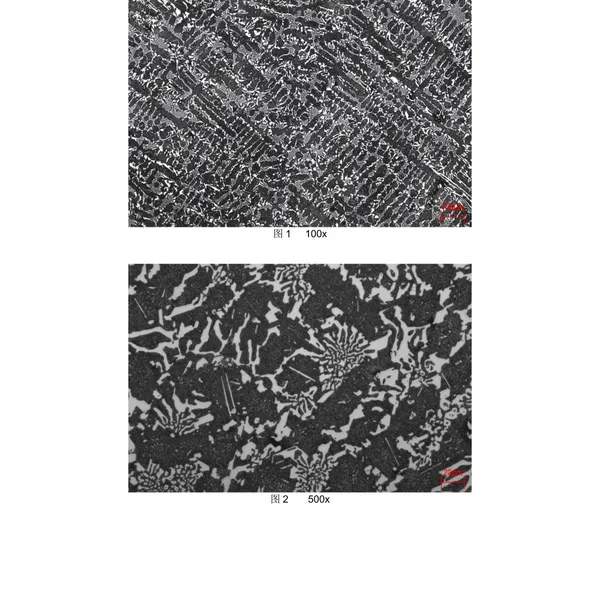
Microstructure verification is essential. A polished and etched sample should show the ausferritic matrix and, for CADI, a controlled carbide distribution. Excessive or clustered carbides point to process drift and predict premature breakage in service.
Hardness testing on ADI/CADI needs interpretation. Initial hardness is only half the story; surface hardness after work hardening is the number that governs wear. Progressive suppliers test both as-produced and worked surfaces, and buyers should ask for both sets of data rather than a single reading.
Drop ball testing applies to ADI/CADI as it does to conventional media, and it is a valuable screen. The tough matrix should survive impact counts comparable to forged material at equivalent diameter, and a shortfall in drop ball survival is a reliable early signal of process problems in the austempering line.
9. Availability and Practical Adoption
ADI/CADI grinding media is no longer an experimental option. Several foundries, including Chinese producers such as Huafeng, offer it as a standard product line alongside conventional cast and forged media, with production capacity for export volumes.
Adoption has grown steadily in cement, coal, and selected mining applications where trials produced clear consumption gains. The material is also attractive to operators under energy-cost pressure, since the efficiency benefit compounds over the life of the charge.
For a plant considering a switch, the practical first step is a comparative trial with a modest order quantity, supported by full documentation of the as-produced and work-hardened properties. The evidence gathered in that trial is the cheapest insurance before a full conversion.
Engagement with the foundry matters throughout. A supplier that can explain its austempering parameters, share microstructure reports, and adjust the cycle for your ball diameters is far more useful than one that sells ADI/CADI as a generic product. Ask those questions before ordering, not after a disappointing campaign.
10. FAQ: ADI and CADI Grinding Balls
10.1 What is the difference between ADI and CADI?
ADI is austempered ductile iron with a tough ausferritic matrix and no intentional carbides. CADI adds a controlled carbide fraction to the same matrix, raising initial hardness and abrasion resistance at some cost in toughness. For grinding media, CADI is usually the better fit because wear resistance is the priority.
10.2 Why do ADI balls harden during use?
The matrix of ADI and CADI contains retained austenite. Under impact and abrasion, the austenite at the surface transforms to martensite, which is harder. This transformation happens progressively during early service, raising surface hardness from roughly 40 to 50 HRC up toward 55 to 60 HRC before the wear mechanism stabilizes.
10.3 Are ADI grinding balls better than high chrome balls?
It depends on the duty. In purely abrasive conditions, high chrome balls usually wear less because their hardness is uniform. In abrasive conditions with meaningful impact energy, ADI/CADI often performs better because it avoids the brittleness of high chrome grades. A mill trial on your own ore is the only reliable way to determine the winner.
10.4 Where can I buy ADI/CADI grinding balls?
ADI/CADI grinding media is available from foundries that produce austempered castings, including Chinese manufacturers that export globally. Buyers should request evidence of austempering process control, microstructure reports, and both as-produced and work-hardened hardness data before ordering.
Recently Posted
-
How Grinding Ball Quality Is Tested: From Spectrometer Analysis to Drop Ball Testing
September 4, 2026Grinding ball quality is not a matter of opinion — it is a chain of measurable parameters verified by laboratory equipment. Spectr Read More
 -
How to Select a Grinding Ball Supplier: 8 Factors Beyond Price
September 3, 2026A procurement manager at a mid-sized mining company once told us about the grinding ball order that nearly shut down his operation Read More
 -
Forged vs. Cast Grinding Balls: A Practical Comparison for Mining Operations
September 3, 2026An iron ore mine in Australia had been running forged steel grinding balls in its SAG mill for years without questioning the choic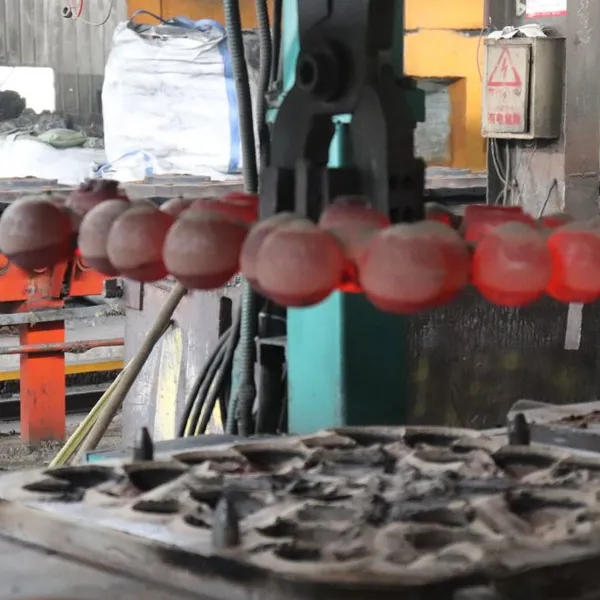 Read More
 -
Ningguo Huafeng at a Glance: 80,000 Tons of Grinding Media from China's Casting Capital
September 3, 2026In the global grinding media market, where buyers sort through dozens of supplier options, a few factors consistently separate rel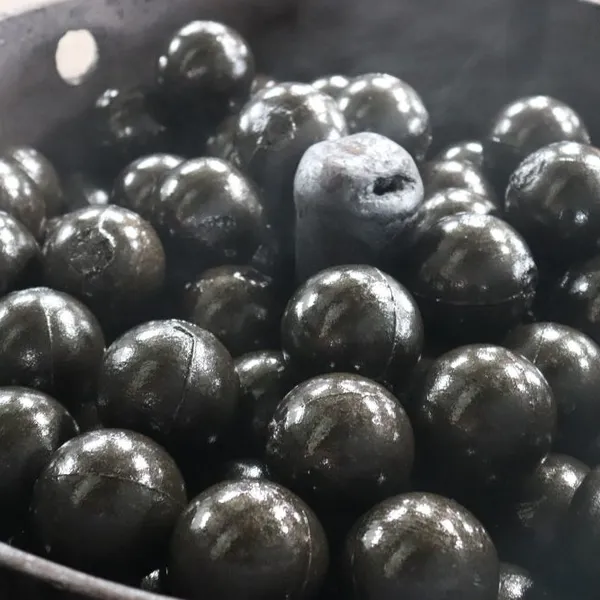 Read More

Contact Us
Recommended Products
-
 Chromium Alloy Cast Grinding Balls Cr 1%-30% High Hardness Low Breakage For Mining Ball Mill Cement PlantUS$ 600 - 2000MOQ: 27 Metric Tons
 -
High Silicon Chrome Alloy Cast Grinding Balls Cr 8%-12% High Hardness 62HRC Low Breakage Excellent Wear Resistance For Mining Cement Ball MillUS$ 1000 - 1500MOQ: 27 Metric Tons
-
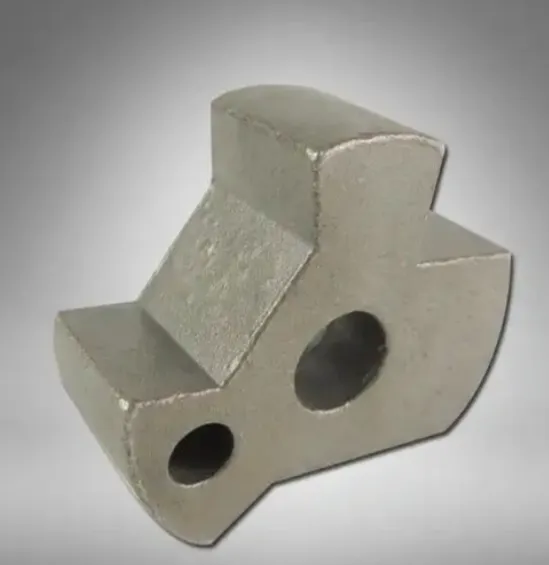
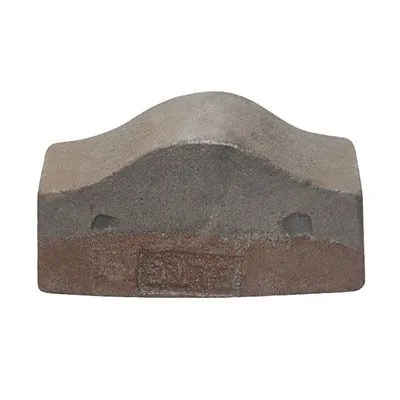
Wear Resistant Steel Castings Customized Parts For Mining Cement Plant Ball Mill Hammer CrusherNegotiableMOQ: 1 Metric Ton
-
Forged Steel Grinding Balls HRC55-65 Low Breakage High Impact Toughness For Mining Cement Ball Mill SAG MillUS$ 600 - 1200MOQ: 27 Metric Tons
-
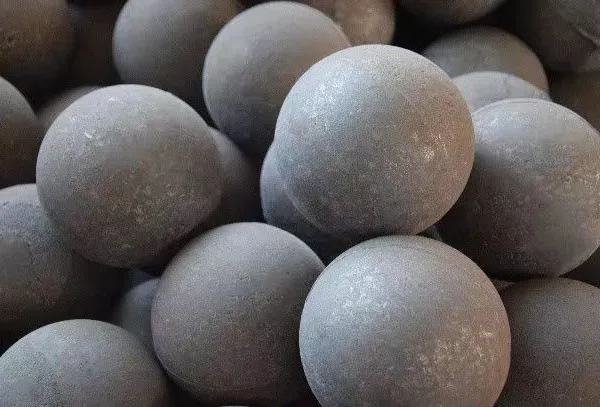
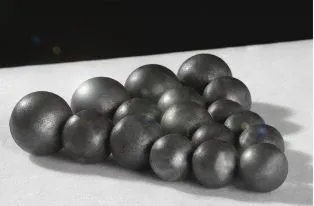
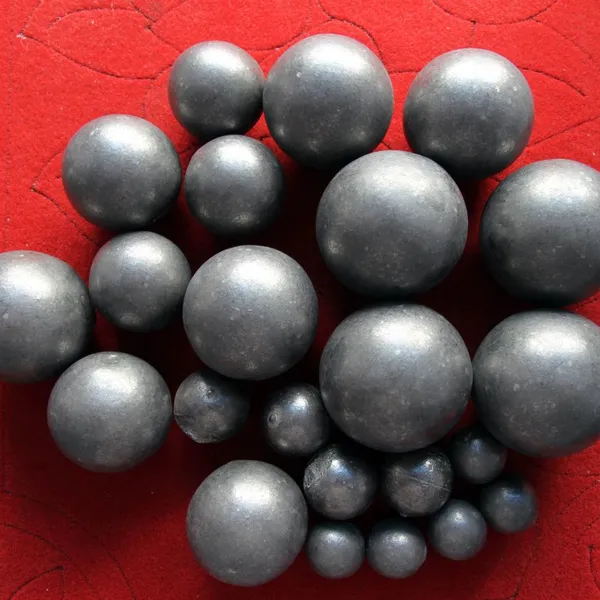
CADI Grinding Balls – Advanced Austempered Ductile Iron for SAG Mills, Work Hardening 60-63HRC, 8-25J/cm² Impact, 5%-10% Energy SavingUS$ 900 - 1500MOQ: 27 Metric Tons
-
Bimetal Mill Liner High Chrome + Carbon Steel Composite High Hardness HRC58-63 2-3x Service Life For Ball Mill SAG Mill MiningUS$ 1800 - 5000MOQ: 1 Metric Ton
-
Crusher Hammer Head High Manganese Steel / CADI / High Chrome Alloy For Hammer Crusher Mining CementNegotiableMOQ: 1 Metric Ton
-
Chromium Alloy Cast Cylpebs Cr 1%-15% High Hardness Low Breakage For Mining Cement Fine GrindingUS$ 600 - 1200MOQ: 27 Metric Tons
-
Chromium-Molybdenum Alloy Steel Mill Liner Medium/Low Cr-Mo High Wear Resistance High Impact For SAG Mill Ball Mill Mining CementUS$ 1000 - 1800MOQ: 1 Metric Ton
-
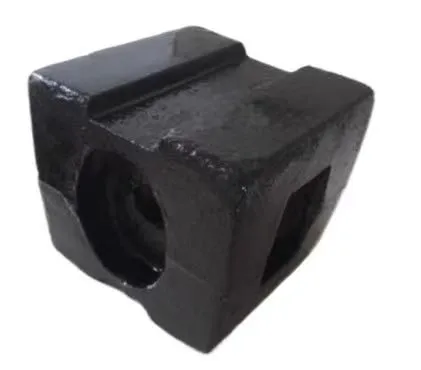
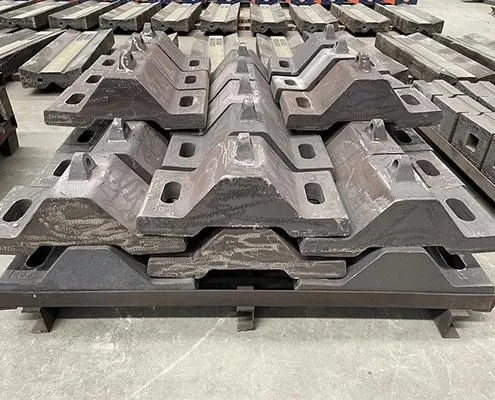
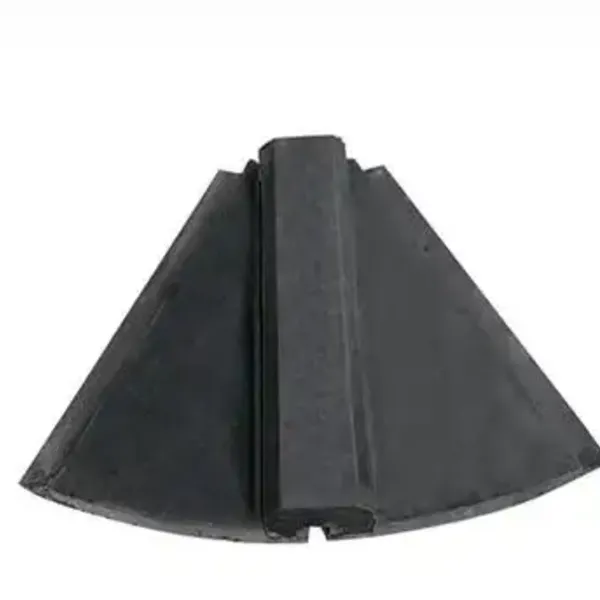
High Manganese Steel Mill Liner Mn13Cr2 High Impact Toughness Work Hardening For Ball Mill SAG Mill Mining CementUS$ 1200 - 1500MOQ: 1 Metric Ton
-
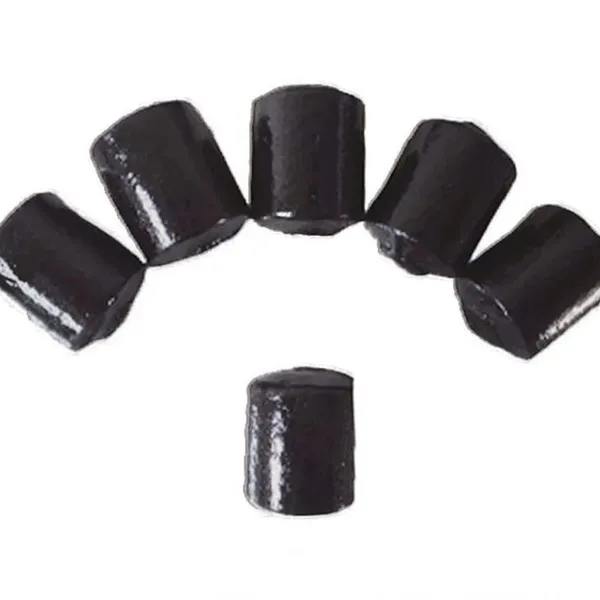
Chromium Alloy Cast Grinding Balls Cr 1%-3% Hardness ≥45HRC Economical General Purpose For Small Medium Ball MillsUS$ 600 - 2000MOQ: 27 Metric Tons
-
Austempered Ductile Iron Mill Liner High Hardness High Toughness For Ball Mill SAG Mill Long Service LifeNegotiableMOQ: 1 Metric Ton
-
Ultra-High Hardness High Carbon Cr-Mo Alloy Grinding Balls HRC60-68 Extreme Abrasion Resistance For Hardest Ore SAG MillsUS$ 1000 - 2000MOQ: 27 Metric Tons
-
Extra High Chrome Cast Iron Grinding Balls Cr 20%-30% HRC62-65 Extreme Wear Resistance For SAG Mills Heavy MiningUS$ 1000 - 1800MOQ: 27 Metric Tons
-
Low Chrome White Cast Iron Grinding Cylpebs Cr 1%-3% 45-55HRC High Toughness Low Cost For Cement Coal MillsUS$ 500 - 1200MOQ: 27 Metric Tons
-
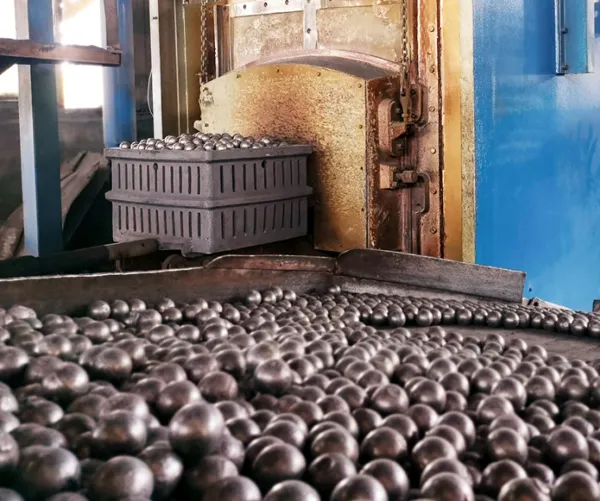
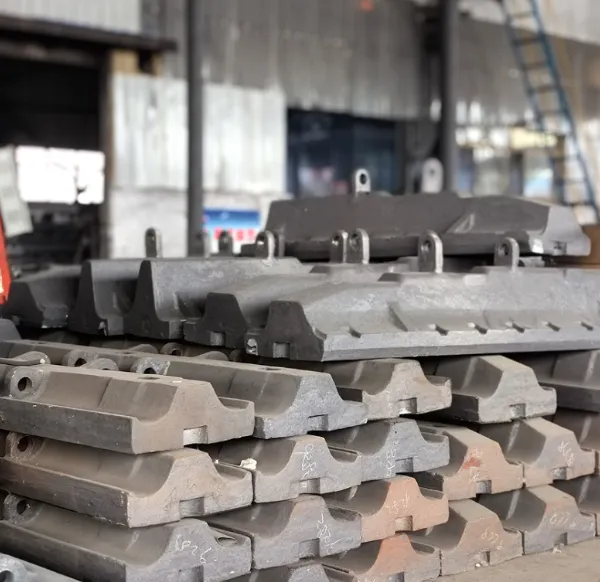
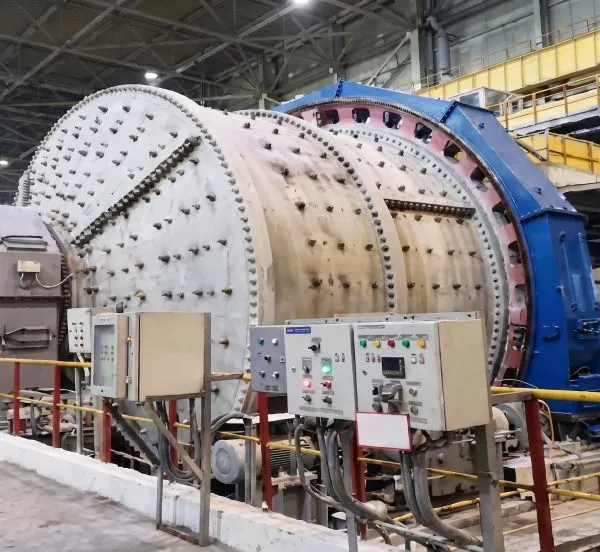
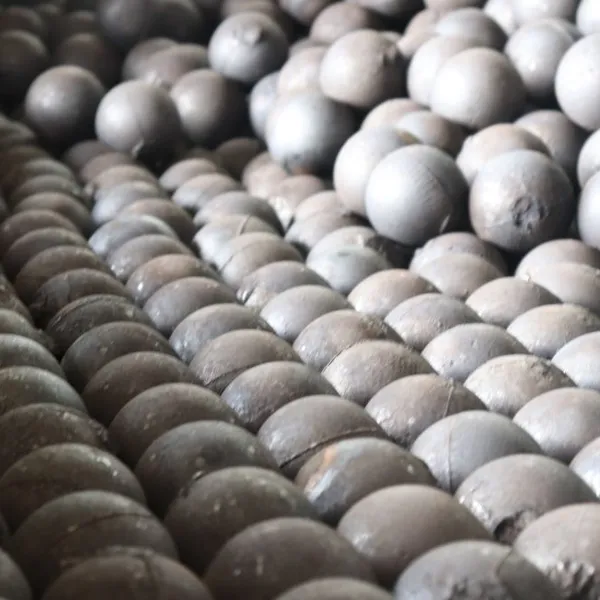
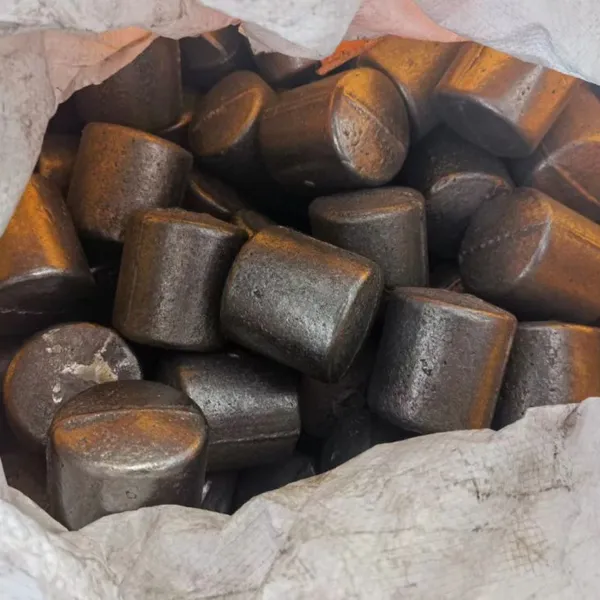
ADI/CADI Austempered Ductile Iron Grinding Balls Work Hardening 60-63HRC 5-10% Energy Saving For SAG MillsUS$ 500 - 1200MOQ: 27 Metric Tons
-
Low Chrome Cast Grinding Balls Cr 1%-3% HRC45-55 Cost Effective For Cement Mills Coal Mills Soft OreUS$ 500 - 1000MOQ: 27 Metric Tons
-
Custom Size Cast Grinding Balls Any Diameter φ4.8-150mm Any Cr% 1%-30% Tailored Hardness For Unique Mill ConditionsUS$ 600 - 2000MOQ: 27 Metric Tons
-
High Chrome Cast Grinding Balls Cr 10%-30% Ultra Hardness 58-65HRC Extremely Low Breakage For Hard Rock MiningUS$ 600 - 2000MOQ: 27 Metric Tons
-
Forged Steel Grinding Balls HRC55-65 Low Breakage High Impact Toughness For SAG Mill Ball Mill MiningUS$ 600 - 2000MOQ: 34 Metric Tons